90,000+
people reached through surgery, rehab, and education
2,000+
free surgeries provided to women living with fistula
900+
supported survivors’ community reintegration
300+
local specialized health care workers trained
Our Partner
From breaking ground to building care that lasts.
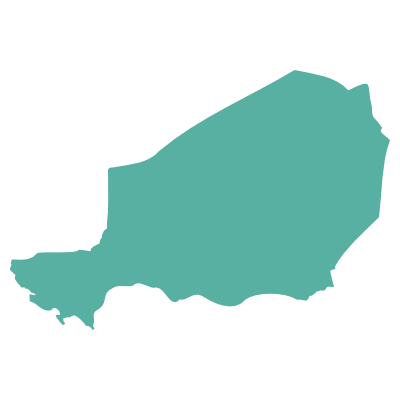
Danja Fistula Center is the longest-running partnership of Worldwide Fistula Fund, one of Maternal Dignity Project’s legacy organizations. It began with an ambitious goal: a dedicated place in Niger where women living with fistula could receive more than surgery.
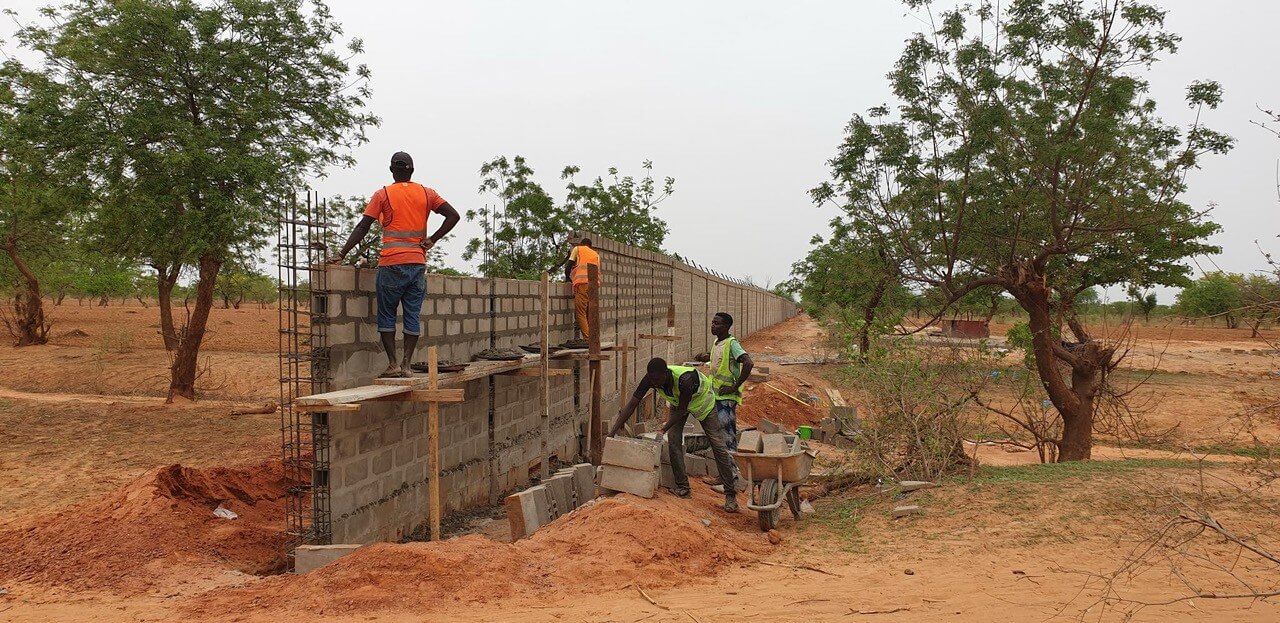
Working with operating partner SIM, construction on the Danja Fistula Center began in 2008.
What followed became a model for comprehensive fistula care in West Africa.
Building specialized care · Niger
A center designed around the full journey of recovery.
Construction on the Danja Fistula Center began in 2008 through Worldwide Fistula Fund's long-standing partnership with operating partner SIM, a relationship the Maternal Dignity Project continues today.
The vision was never simply to create another place where surgery could happen.
It was to build a center where women could receive specialized treatment, rehabilitation, prevention education, and support as they prepared to return home.
The Danja Fistula Center begins welcoming women.
In 2012, the Danja Fistula Center opened its doors.
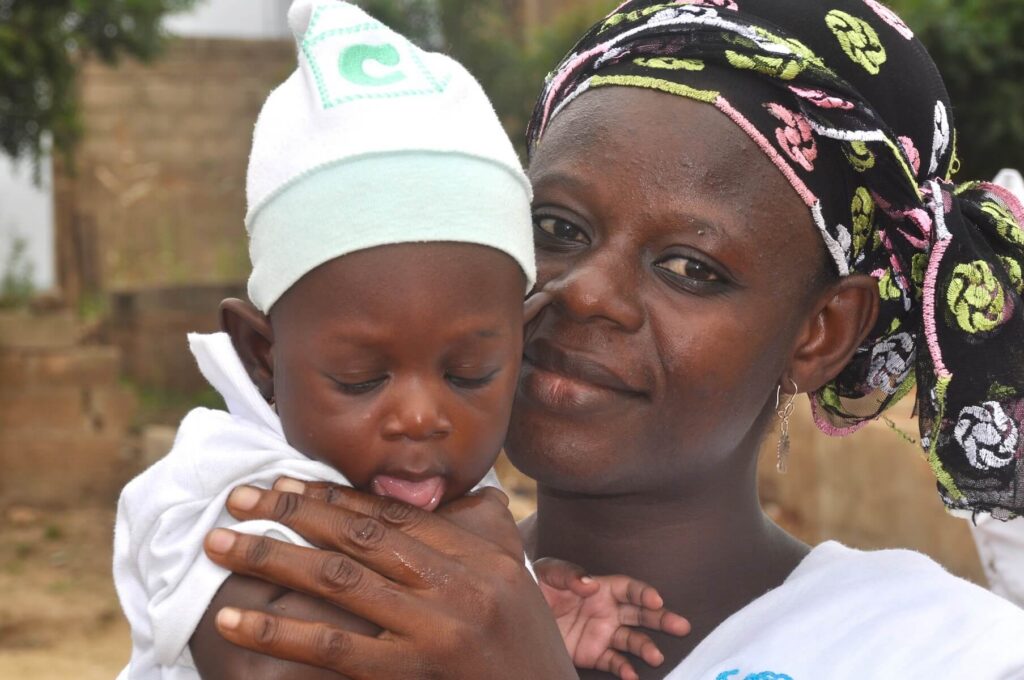
Women arriving at Danja could receive free surgical treatment alongside the care needed before and after an operation.
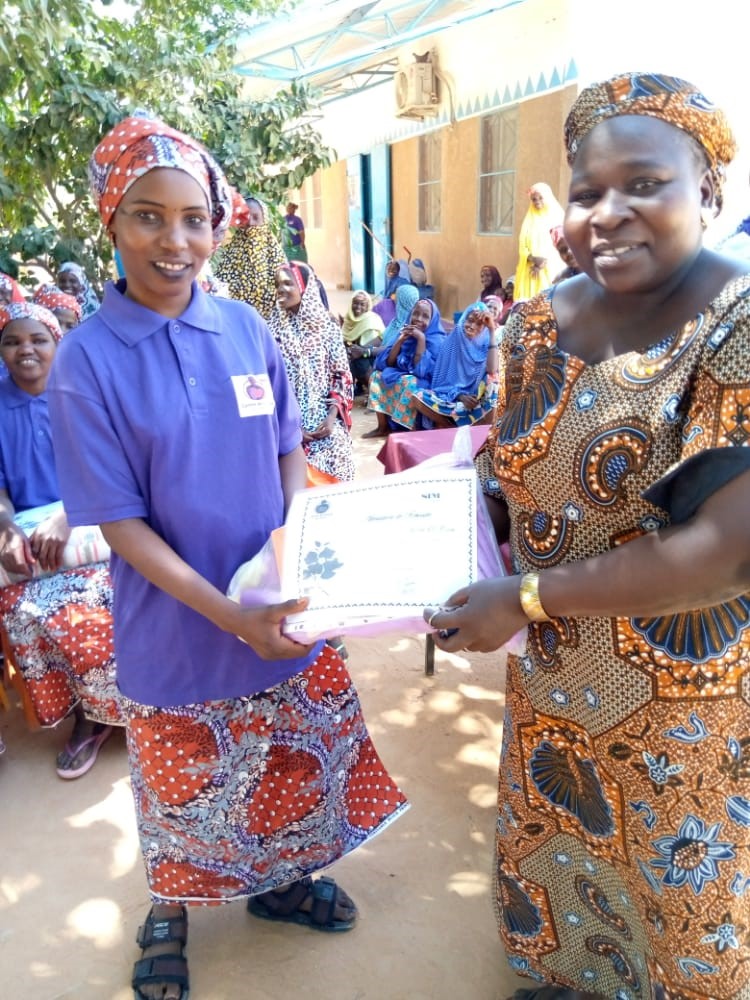
That includes physical therapy, recovery support, prevention education, and social and economic reintegration.
Comprehensive fistula care · Danja
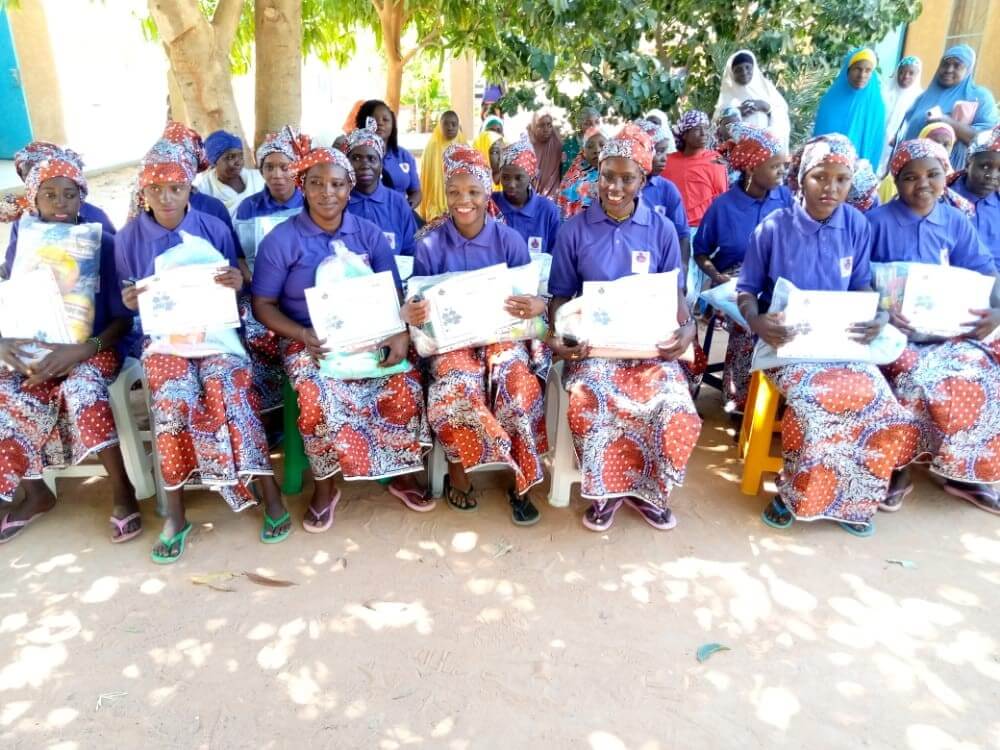
Recovery beyond surgery · Niger
Surgery can close the injury. Recovery asks for more.
More than 2,000 women have received free fistula surgery through the Danja Fistula Center.
But the work doesn't stop in the operating room.
Danja pairs specialized surgical treatment with physical therapy and support designed to help women recover more fully.
Nearly 1,000 survivors have been supported through reintegration as they move from treatment back into family and community life.
The hospital paused. The commitment didn't.
Like health systems around the world, the Danja Fistula Center faced major disruption during the COVID-19 pandemic and temporarily closed in 2020.
For women waiting for treatment, interruptions in specialized care carry real consequences.
Rebuilding meant more than reopening the doors.
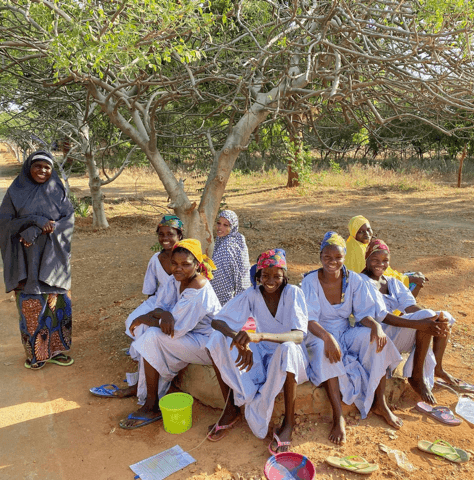
Restoring specialized surgical care · Niger
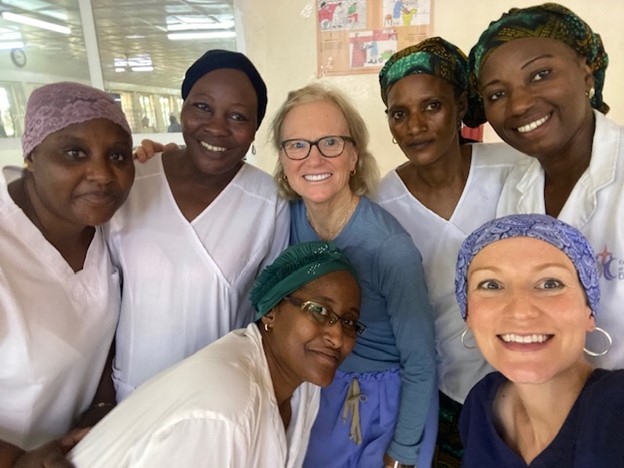
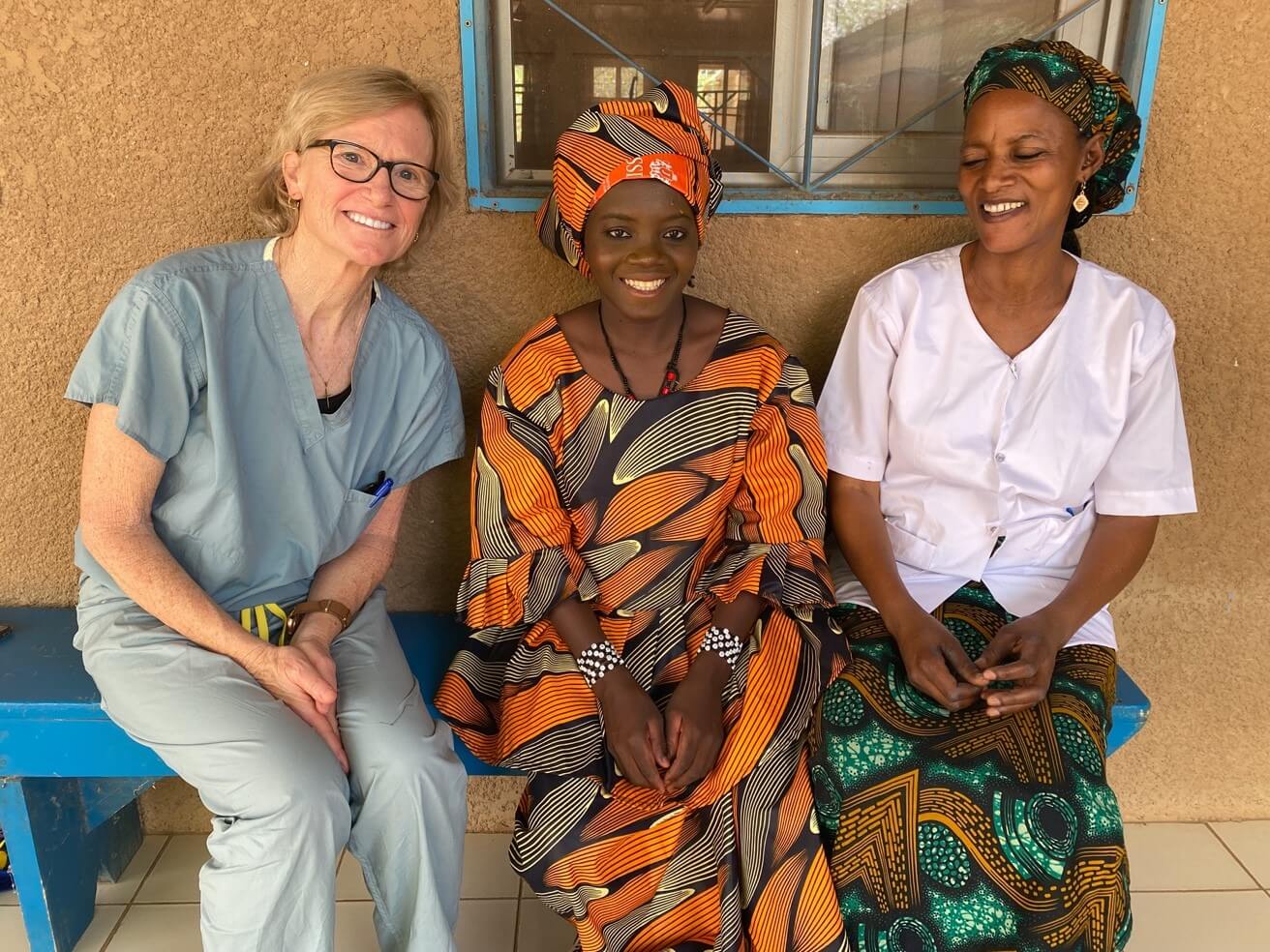
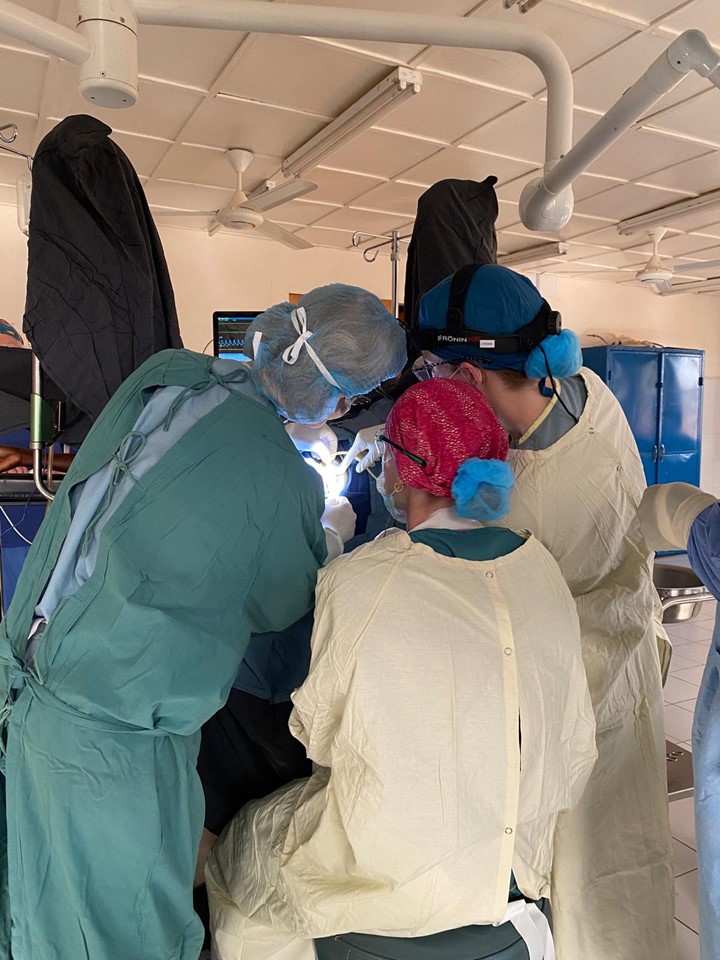
Danja Fistula Center team · Niger
New leadership builds on more than a decade of care.
Dr. Chelsea Porter now serves as Chief Medical Officer, with Dr. Ryan Porter serving as Center Director.
Together, they are leading Danja Fistula Center as it works toward restoring a capacity of approximately 250 surgeries each year.
Their work builds on more than a decade of infrastructure, partnership, and specialized fistula care.
The center is growing stronger again.
Danja is steadily rebuilding toward the surgical capacity it held before the pandemic, with a goal of reaching approximately 250 fistula surgeries annually.
That growth means more women can reach treatment. Capacity also depends on the clinicians, nurses, therapists, and health workers who make specialized care possible. To date, 300 local health care workers have received training.
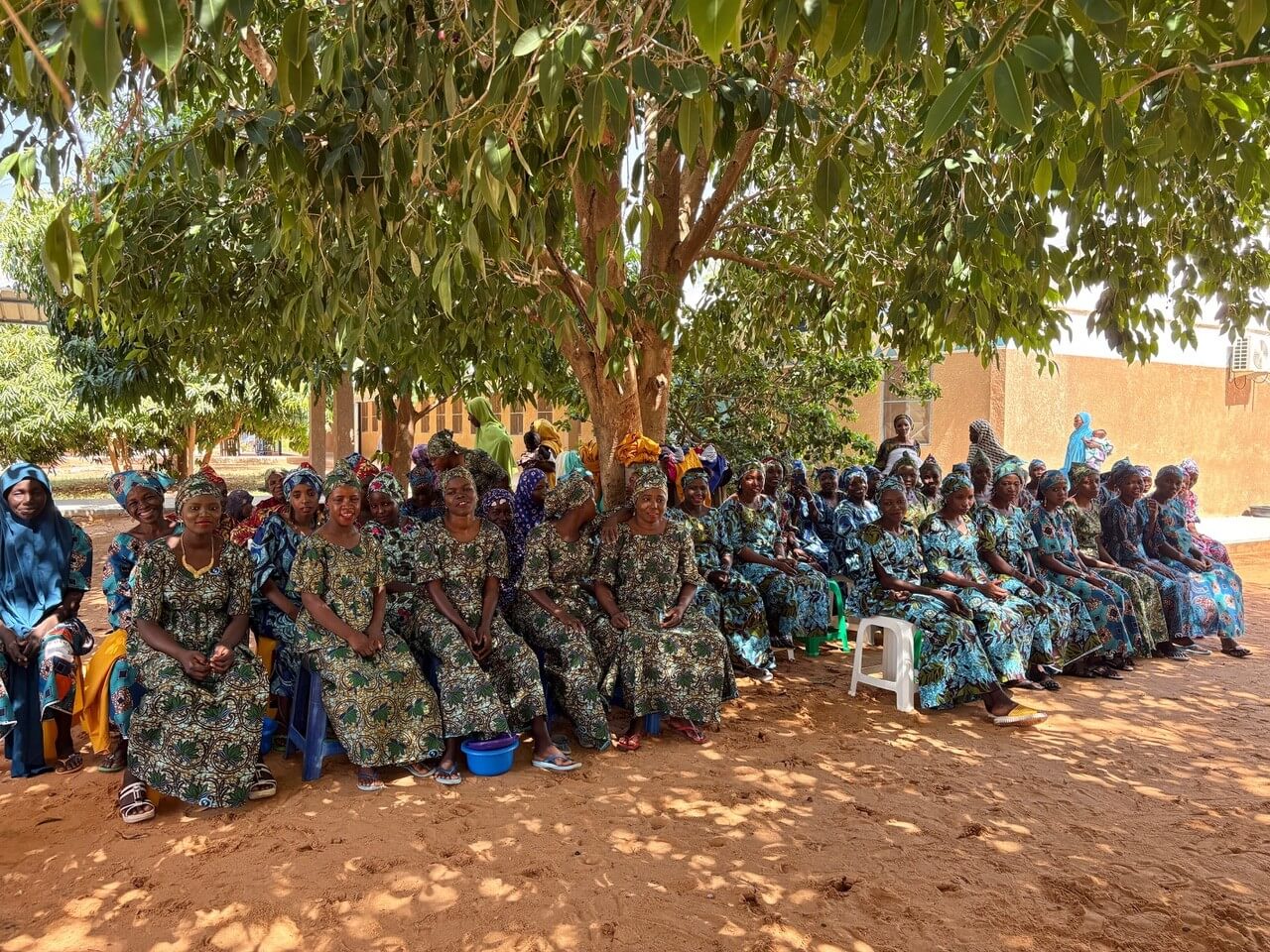
Specialized care and clinical capacity · Danja
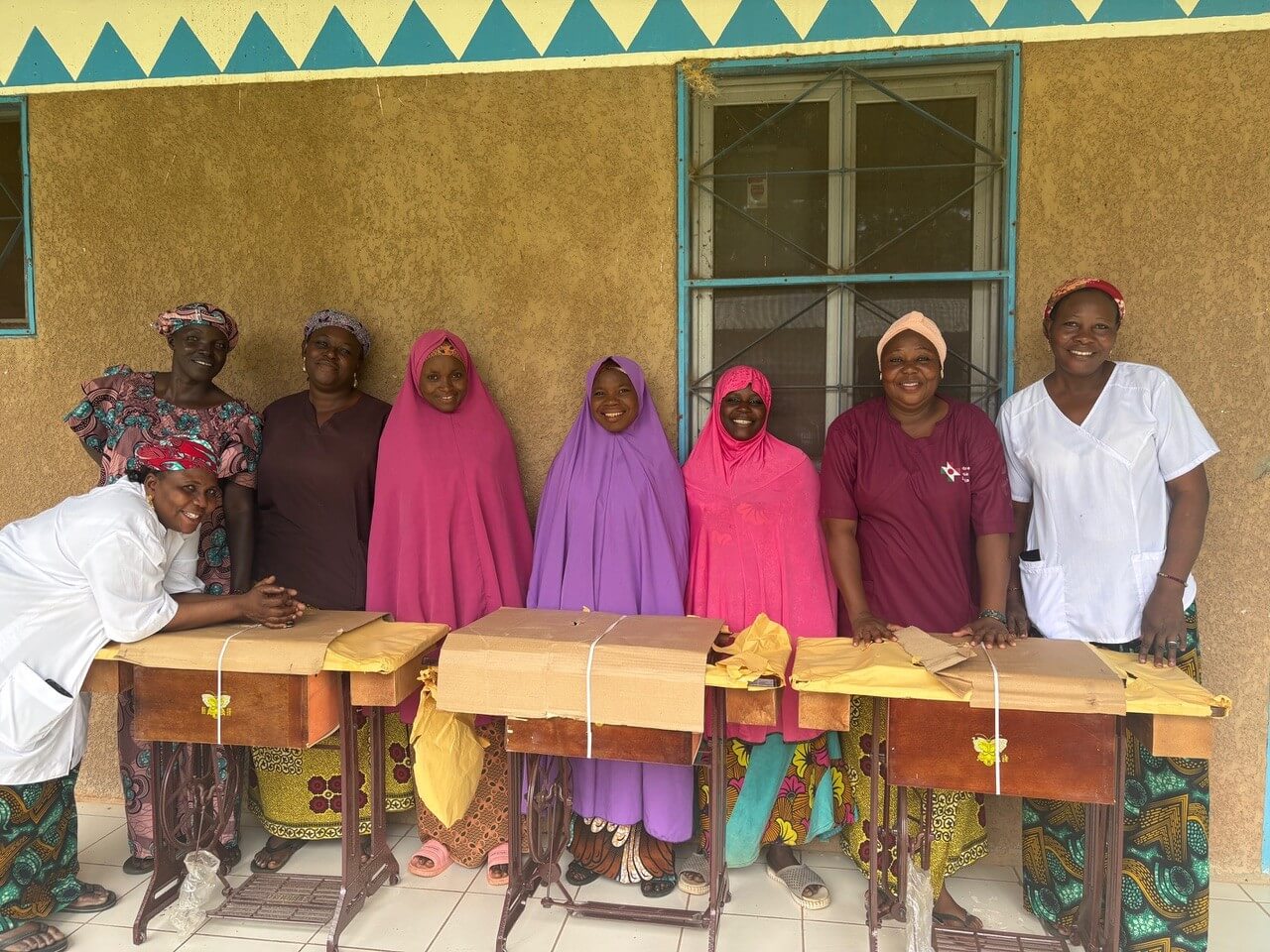
Recovery and independence · Niger
What if specialized fistula expertise could keep growing inside Niger?
Dr. Chelsea Porter has been accepted into the FIGO Fistula Surgeon Certification Training Program, continuing to deepen the specialized expertise available at Danja.
Maternal Dignity board member and urogynecologist Dr. Holly Richter also travels to DFC to provide additional onsite training and mentorship.
In partnership with Niger's Ministry of Health, Dr. Porter anticipates eventually providing fistula training to local surgeons.
What began with construction in 2008 has grown into a center providing specialized treatment, recovery support, clinical training, and a path toward greater local expertise.
Support This WorkThe Danja Model
Recovery that keeps moving outward.
Fistula is a physical injury, but its effects rarely stop there. A woman may arrive needing surgery. She may also need help rebuilding strength after a prolonged labor, preparing to return to her family, restoring an income, or simply understanding that what happened to her was treatable.
Danja was built to respond to the whole journey.

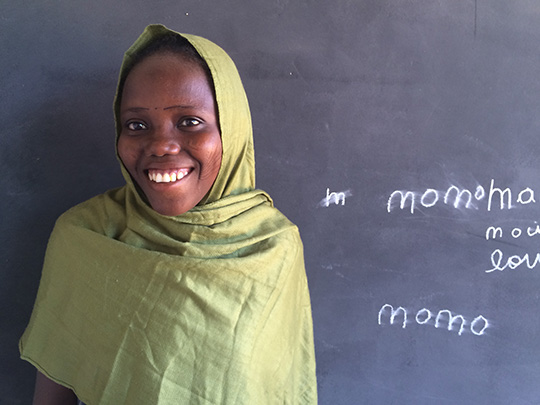
Danja Fistula Center
A hospital built around more than surgery.
The Danja Fistula Center was created specifically for women living with obstetric fistula and other childbirth injuries. Here, specialized treatment exists alongside rehabilitation, education, and reintegration.
A woman doesn’t have to move between disconnected systems to begin rebuilding her life. The same center that performs her surgery can help strengthen her body afterward, prepare her to return home, and connect her with support for what comes next.
That continuity is what makes comprehensive care possible.
What’s Next
Can a fistula center help build the surgeons who make it less necessary?
Danja Fistula Center’s next chapter is increasingly focused on that question. The center is rebuilding surgical capacity while also strengthening the expertise around it.
Dr. Chelsea Porter’s FIGO certification training and continued mentorship from specialists including Dr. Holly Richter are part of that effort. The longer term opportunity is even larger.
Working alongside Niger’s Ministry of Health, Danja Fistula Center hopes to expand fistula training for local surgeons so more of the country’s specialized care can ultimately be provided by clinicians trained within Niger. The goal isn’t simply a stronger hospital. It’s a stronger system around it.
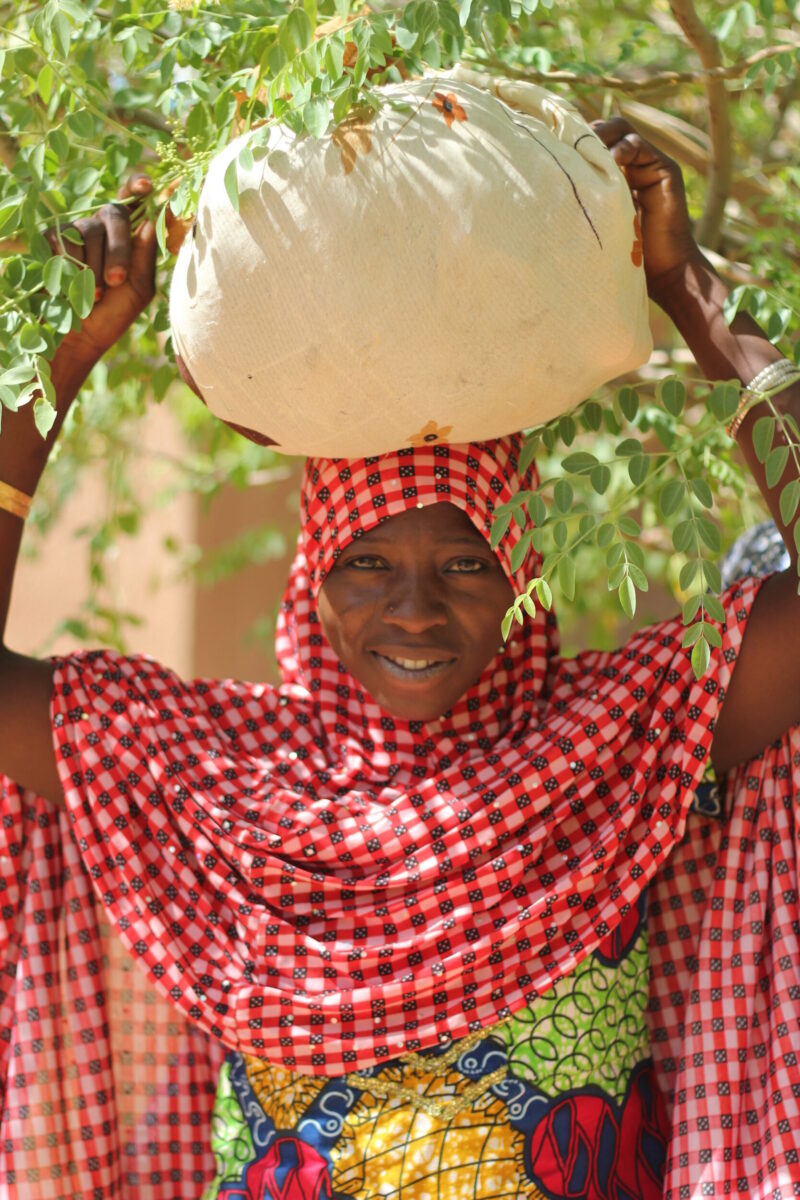
Stories of health and hope.
Behind every statistic is a woman, a family, and a story of resilience.
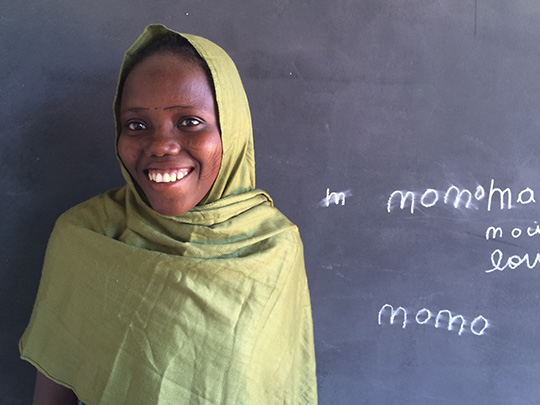
Three Surgeries Later, Tsahara Is Building a Future Beyond Fistula
Tsahara was married at 16, became pregnant at 17, and endured three days of labor before losing her baby and developing obstetric fistula. She lived with…
Read the StoryFive Countries · One Mission
The work continues across the map.
Meet the other locally led partners working to end fistula community by community.