UNDERSTANDING FISTULA

Obstetric fistula changes a woman’s entire life.

When emergency care is unavailable, obstructed labor can take babies’ lives and leave women with lifelong injury, grief, and isolation. Fistula is more than a physical wound. It’s a preventable consequence of women not receiving the care they need, when they need it most.

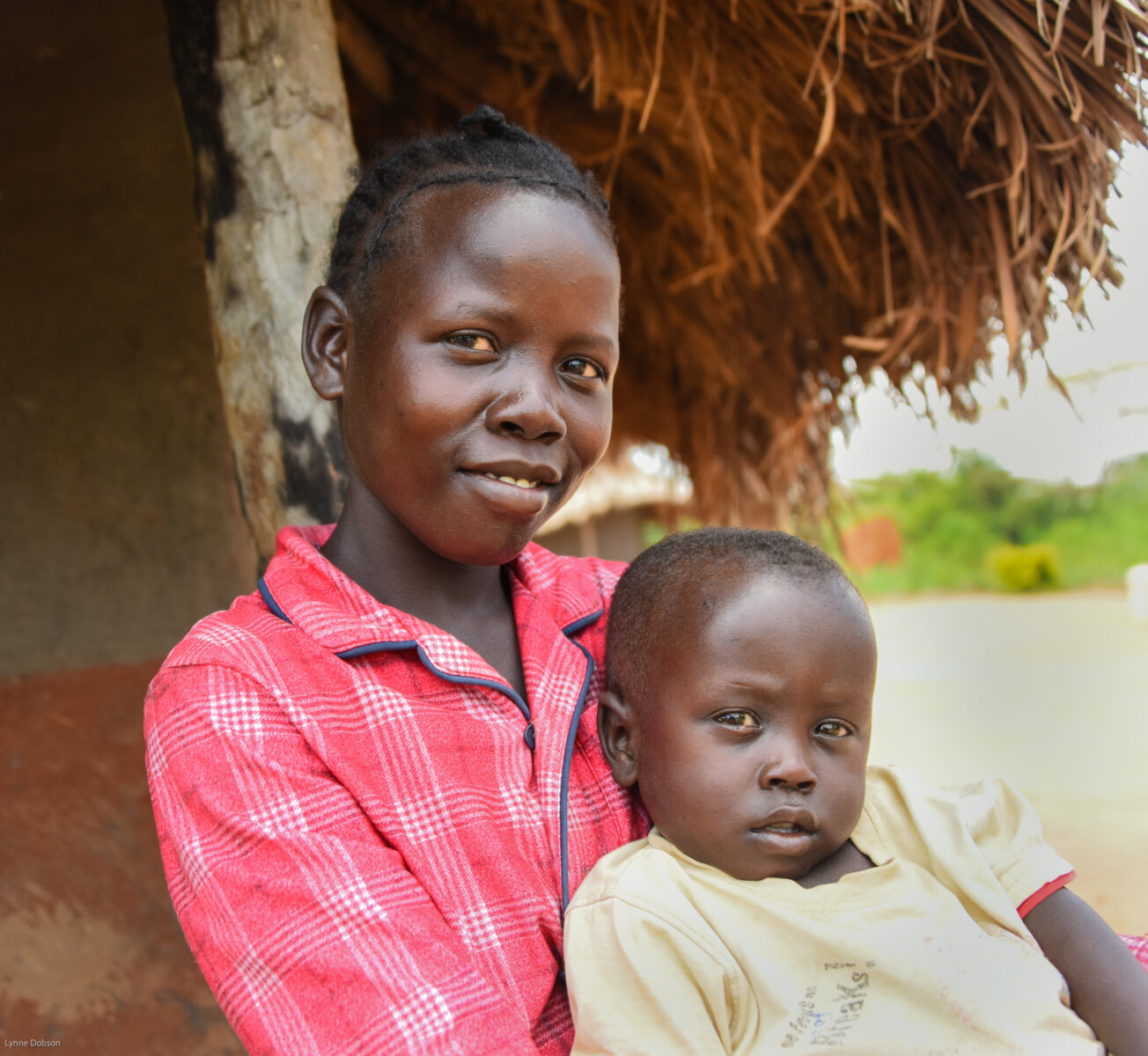
Immaculate Ayado, 23 with her 3 year old son Felix, remains fierce in her recovery from fistula. Her husband Jackson did not abandon her as often happens with fistula injuries. She lived with fistula for several years until helped by Terrewode with a surgery , reintegraiton and empowerment classes. After four days of labor, she was fortunately able to get to a regional hospital for a C-section. Prolonged, obstructed labors often result in stillborn babies, causing further rejection of women due to the matriarchial culture of Africa, which places high value on the number of children born to a family. Immaculate isn't sure how many more children she wants but she is using the family planning services Terrewode provides and now confidently heads a fistula support group in her village.

Approximately half a million women live with untreated obstetric fistula, with thousands of new injuries happening each year.

Quote icon orange

“My labor started at 1 in the morning. By 5 pm I was told to go to Kotido Hospital for an operation because the baby was in a difficult position and was too big to pass through my birth canal. When I got home from the hospital, people came to visit to see what had killed my baby, and they isolated me.”

— Maria

Uganda · Survivor of obstetric fistula

What is obstetric fistula?

It begins with obstructed labor that goes untreated.

During prolonged, obstructed labor, a baby cannot pass safely through the pelvis. Without an emergency Cesarean section, the baby’s head can press against the surrounding tissue for hours or even days. That pressure cuts off blood flow. The damaged tissue can die, leaving an opening between the birth canal and the bladder, rectum, or both. The baby often dies and the mother is left incontinent.
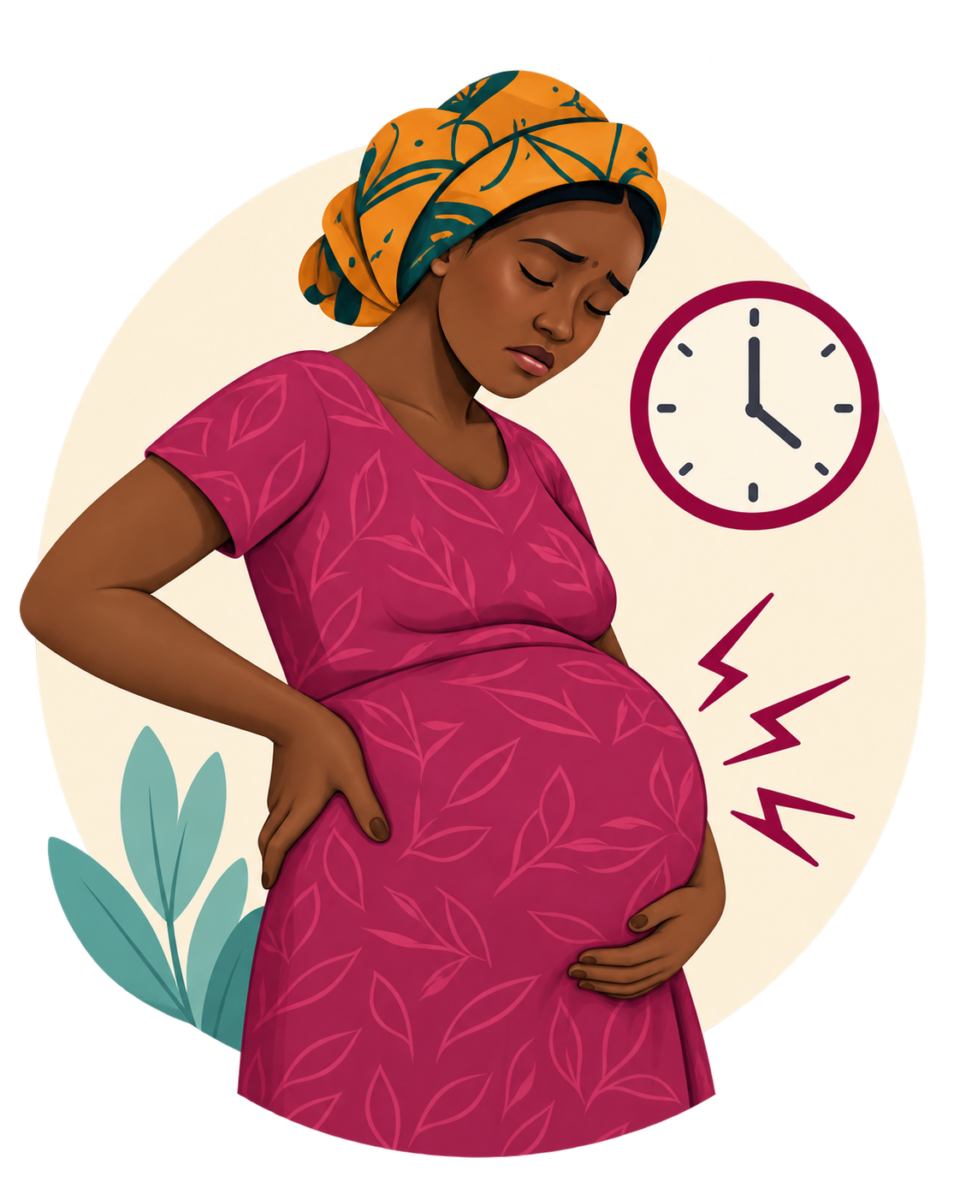

Labor becomes obstructed

The baby cannot pass safely through the pelvis because of its size or position. When this happens, the mother needs a C-section.

Pressure damages tissue

When the mother cannot get a safe, timely C-section, the sustained pressure of the baby’s head cuts off blood flow to surrounding tissue.

A fistula forms

This pressure weakens and damages the tissue, creating an opening between the birth canal and the bladder, rectum, or both.

Related Childbirth injuries

Prolonged obstructed labor can also cause pelvic organ prolapse, nerve damage, pelvic floor injury, and loss of mobility.

In 90% of fistula cases, the baby doesn’t survive the birth. The mother survives an emergency that should have been preventable, then begins another struggle entirely.

Why It Happens

Fistula reveals where health systems are failing women.

A C-section performed in time by a skilled physician can prevent nearly every case of obstetric fistula.


Distance and Cost

For some women, emergency care is hours away. Transportation may be unavailable or unaffordable.

Gaps in Emergency Obstetric Capacity

Many facilities cannot perform an emergency cesarean section when one is needed.

Ultrasound icon

Early Pregnancy and Child Marriage

Girls whose bodies are still developing face higher risk of obstructed labor.

Poverty and Exclusion

Fistula concentrates among women with the least access to resources like health care, information, and transport.

Quote icon orange

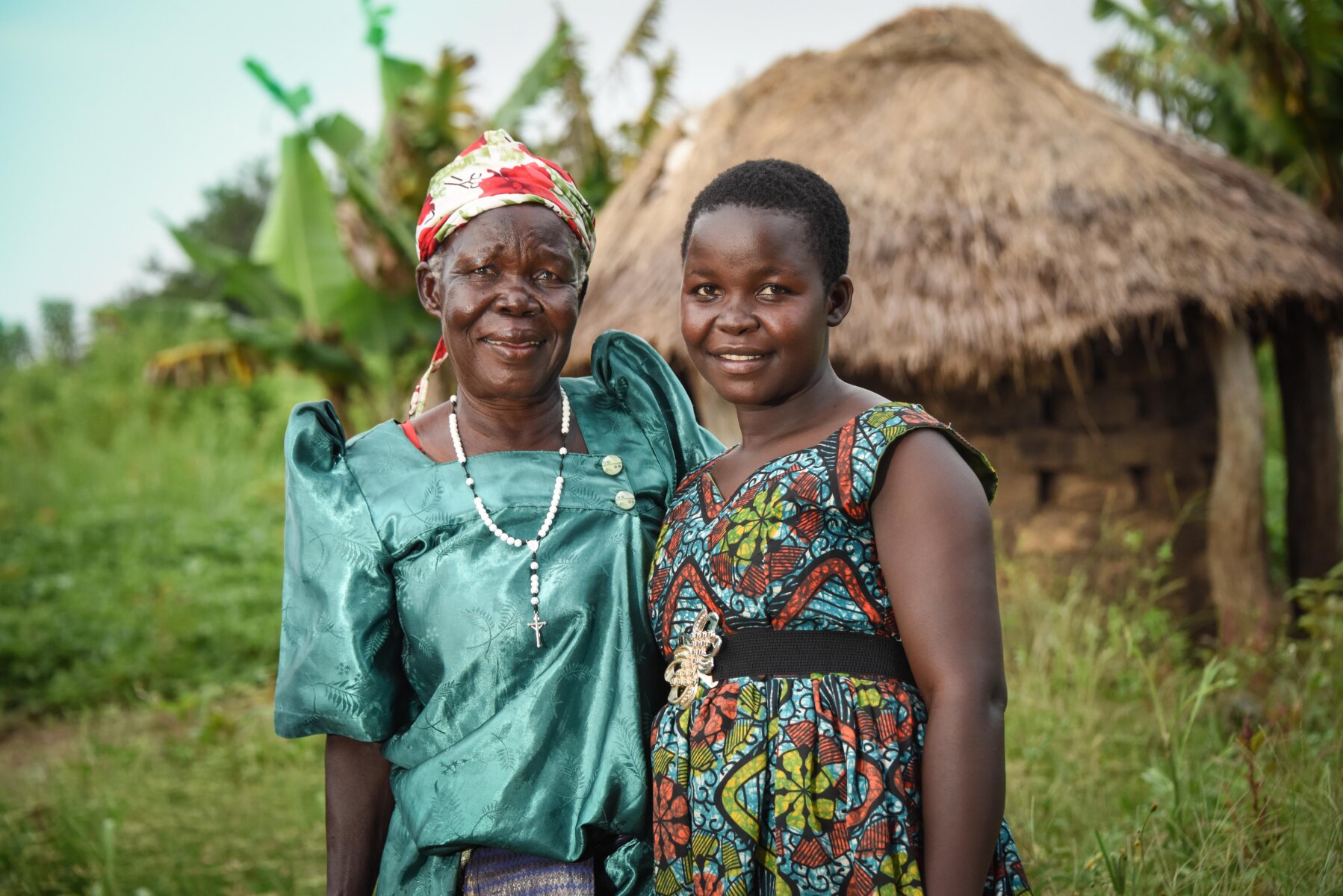
“Even my own parents hated me. They couldn’t allow me to talk. They couldn’t allow me to sit next to them… I’m happy that my friends, my sisters, will never suffer again”

— Survivor

Uganda · Survivor of obstetric fistula

How FistulA Affects Women’s Lives

The injury is only the beginning.

The physical effects of fistula can be devastating, but the harm extends far beyond the injury itself. Because the leaking is constant and difficult to conceal, women with fistula may be shamed for a condition they did not cause and could not have prevented. Most are pushed out of marriages, families, schools, work, and community life.

The result can be profound isolation, loss of income, grief, and a devastating loss of independence. But isolation doesn’t have to be permanent. Treatment exists. Recovery is possible.

Obstetric Fistula by the Numbers

Fistula is treatable & preventable.

500,000

women and girls are estimated to be living with obstetric fistula, with thousands of new cases each year.

90%

of pregnancies in which a woman develops a fistula result in stillbirth.

80-90%

of fistula repair surgeries are successful when performed by qualified surgeons.

40%

fewer women died due to childbirth-related issues in 2023 than they did in 2000.

2030

was the year set by the global community to end fistula, but with cuts to women’s health funding, we are behind.

Fistula Is Treatable

Repair can be the beginning of a new life.

Fistula repair surgery can close the opening, with success rates of approximately 80 to 90% when performed by a qualified surgeon.

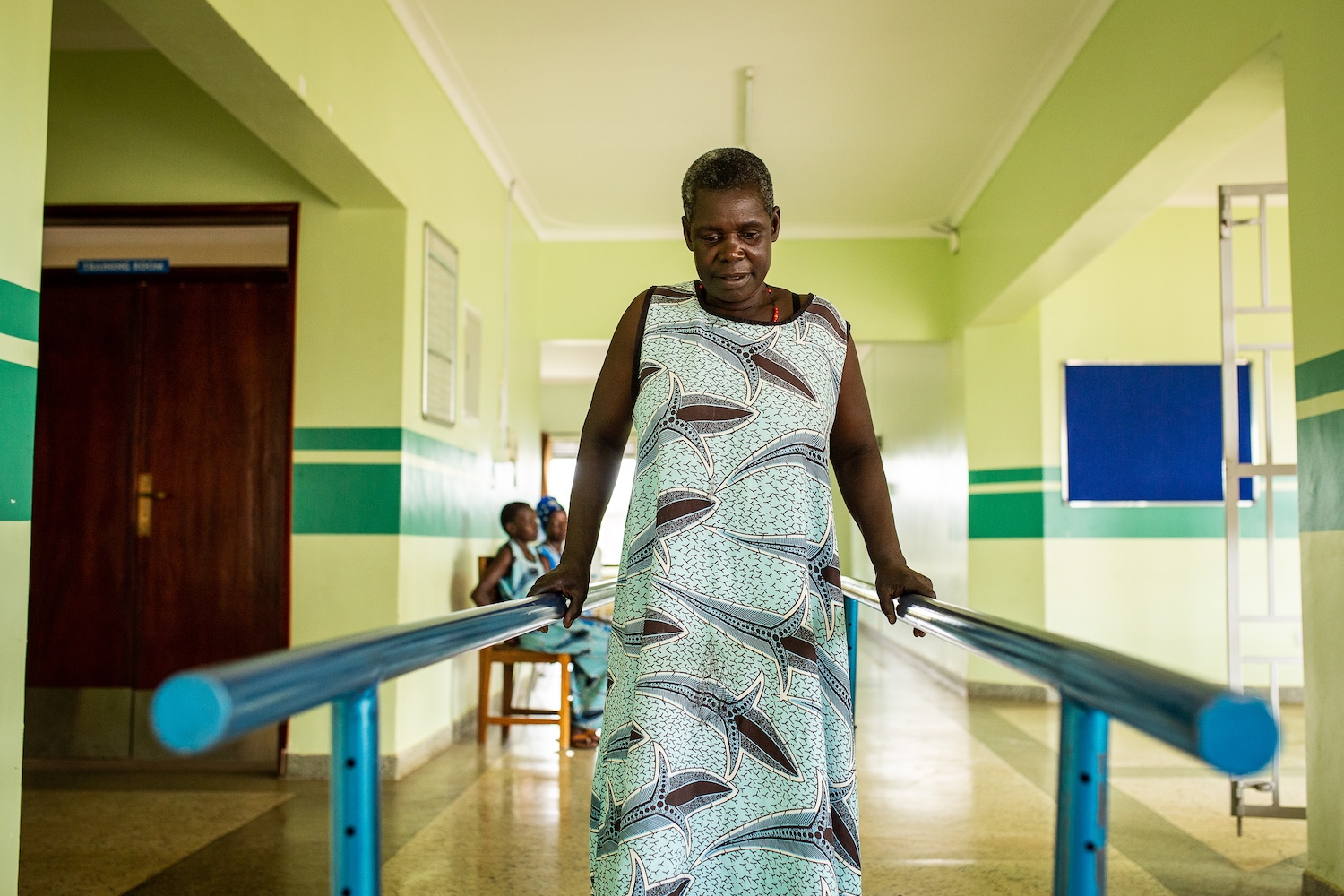
Surgery begins the healing process. Women may also need physical therapy to restore mobility and pelvic floor strength, counseling to process trauma and loss, skills training for economic empowerment, and reintegration support to rebuild their lives and independence.

That’s why the strongest fistula programs treat the whole person, not just the injury. Over the last two decades, the combined efforts of local leaders, medical professionals, advocates, and health systems have helped reduce the burden of fistula.
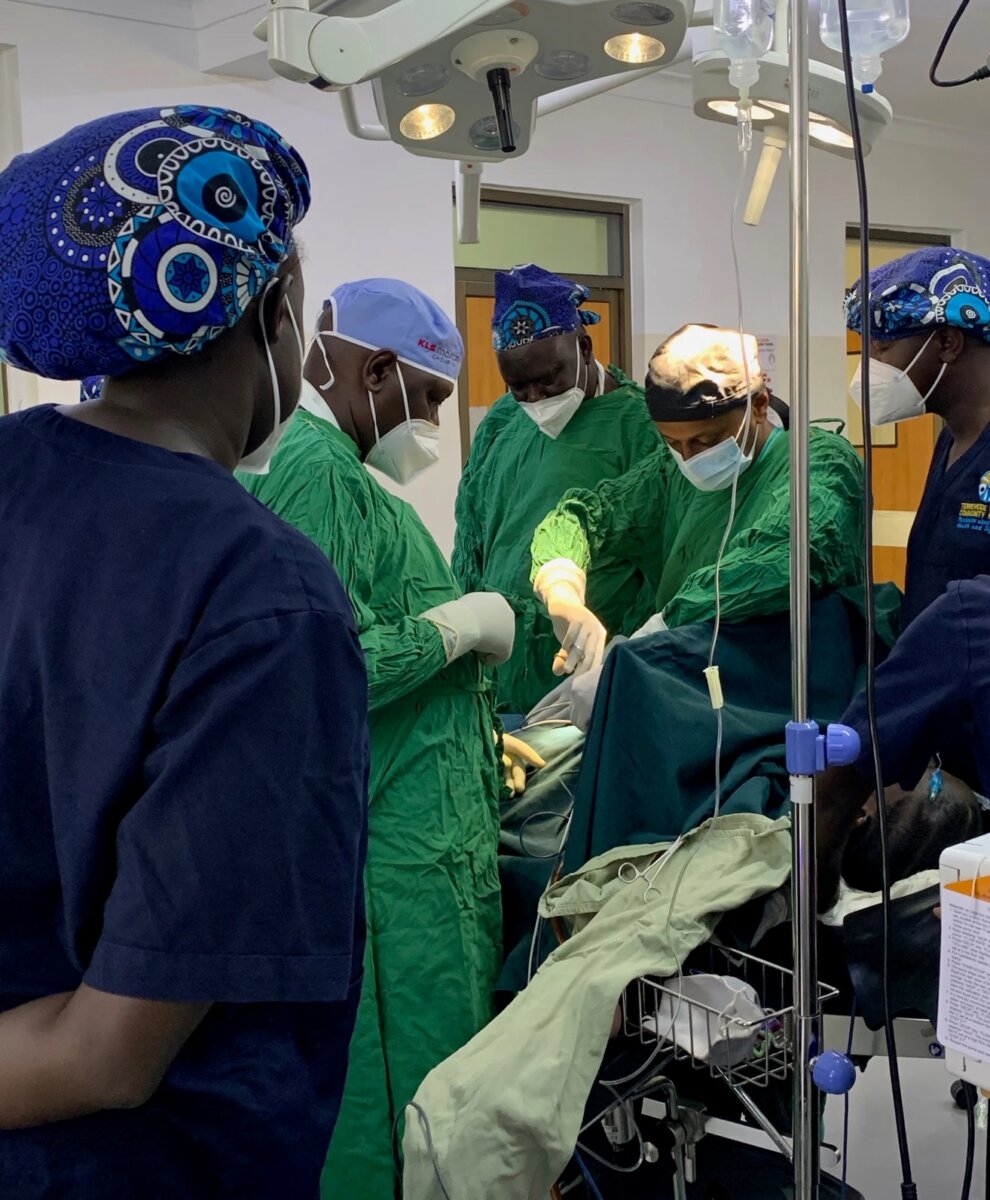
Fistula Is Preventable

Women deserve to give birth safely.

Nearly every case of obstetric fistula is preventable. Prevention depends on:

  • Emergency obstetric care within reach of every woman and community

  • Skilled healthcare providers present at every birth

  • Facilities equipped to perform timely, high-quality, emergency C-sections

  • Communities and healthcare workers who recognize the warning signs of obstructed labor

  • Protection from early marriage and pregnancy for girls whose bodies are still developing

  • Access to contraception and reproductive health care for women who want it

The same investments that prevent fistula also reduce maternal deaths, newborn deaths, and other complications of prolonged, obstructed labor. Fistula has become rare in high-income countries largely because when labor becomes obstructed, safe emergency C-sections are available.

Women everywhere deserve that same care.

Fistula is rare in high-income countries because when labor obstructs, a safe and effective C-section is available. The persistence of fistula anywhere is evidence of health systems that fail mothers.

Learn More

Fistula Publications & Resources

Explore organizations, reporting, research, and peer-reviewed publications related to obstetric fistula.

Publications

Publications

International Urogynecology Journal, June 19, 2017, DOI 10.1007/s00192-017-3370-z
by Itengre Ouedraogo, Regina McConley, Christopher Payne, Alison Heller, L. Lewis Wall

Publications

International Urogynecology Journal, June 9, 2017, DOI 10.1007/s00192-017-3375-7
by Itengre Ouedraogo, Christopher Payne, Rahel Nardos, Avril J. Adelman, L. Lewis Wall

Publications

International Journal of Gynecology and Obstetrics, December 2014, Volume 127, Issue 3, Pages 301 – 304
by L. Lewis Wall

Publications

International Journal of Gynecology and Obstetrics, December 2014, Volume 127, Issue 3, Pages 301 – 304
by L. Lewis Wall

Publications

BMC Pregnancy and Childbirth, July 18, 2012, Volume 12, Number 68
by L. Lewis Wall

Publications

The Lancet, September 30, 2006, Volume 368, Pages 1201 – 1209
by L. Lewis Wall

Resources

Organization

American Urogynecologic Society (AUGS)

New York Times

Where Young Women Find Healing and Hope

Nicholas Kristof, July 13, 2013

Organization

UNFPA Campaign to End Fistula

New York Times

New Life for the Pariahs

Nicholas Kristof, October 31, 2009

New York Times

Saving the Lives of Moms

Nicholas Kristof, May 12, 2012

Book

Tears for My Sisters: The Tragedy of Obstetric Fistula

L. Lewis Wall, MD, DPhil