7
4,300+
12
2025–2028
Closing gaps in medical education, together.
Our work in Ethiopia has been built around that idea: identify gaps in medical education, develop rigorous training programs, and prepare Ethiopian clinicians and educators to lead long after the original investment ends.
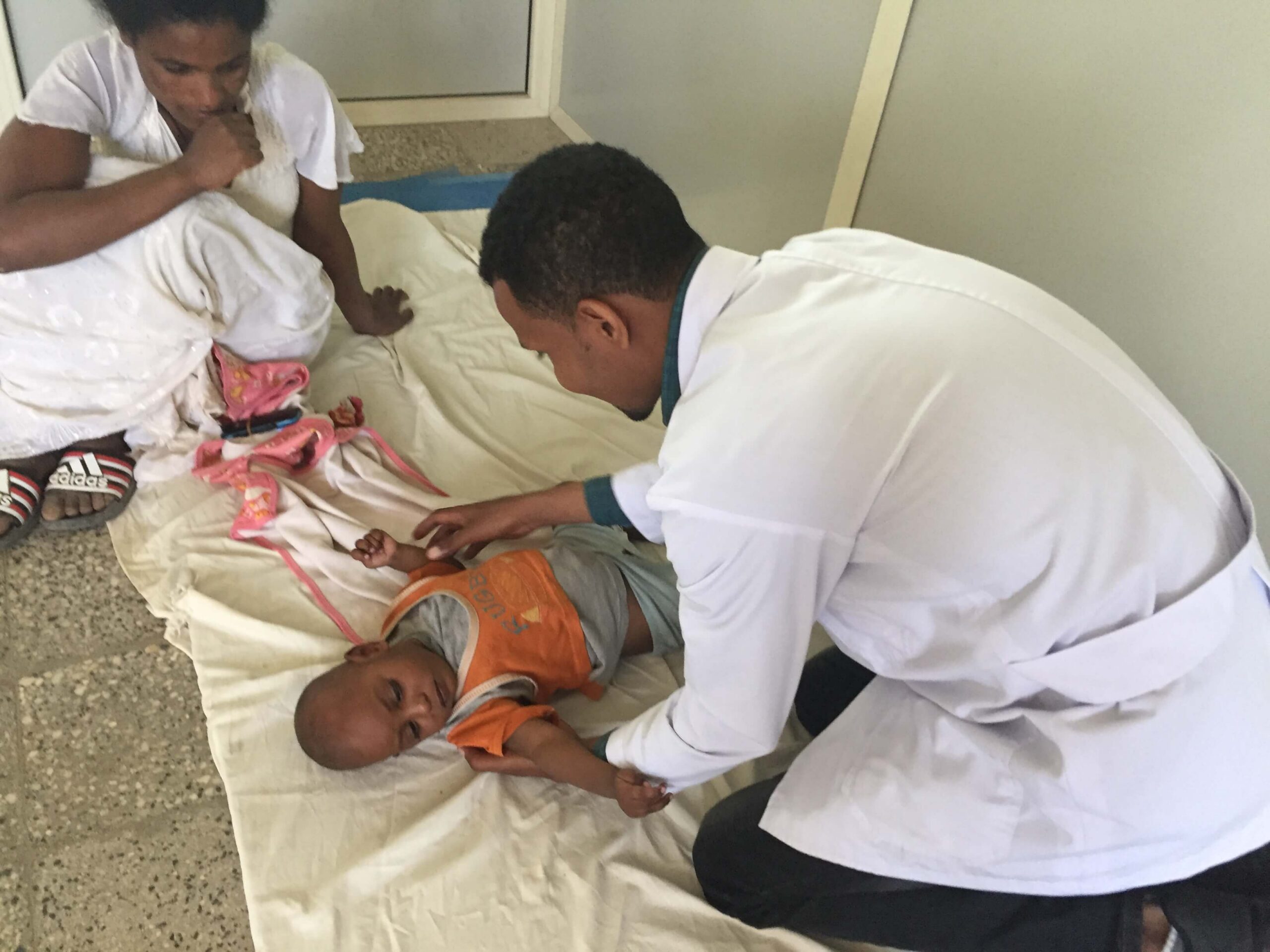
Listening to local priorities · Ethiopia
Fellowship training in Mekelle: Expertise that stays.
The partnership began by listening to Ethiopian health leaders and identifying where specialized training could have the greatest impact.
The goal was long-term local capacity, not short-term outside intervention.
Expertise That Endures.
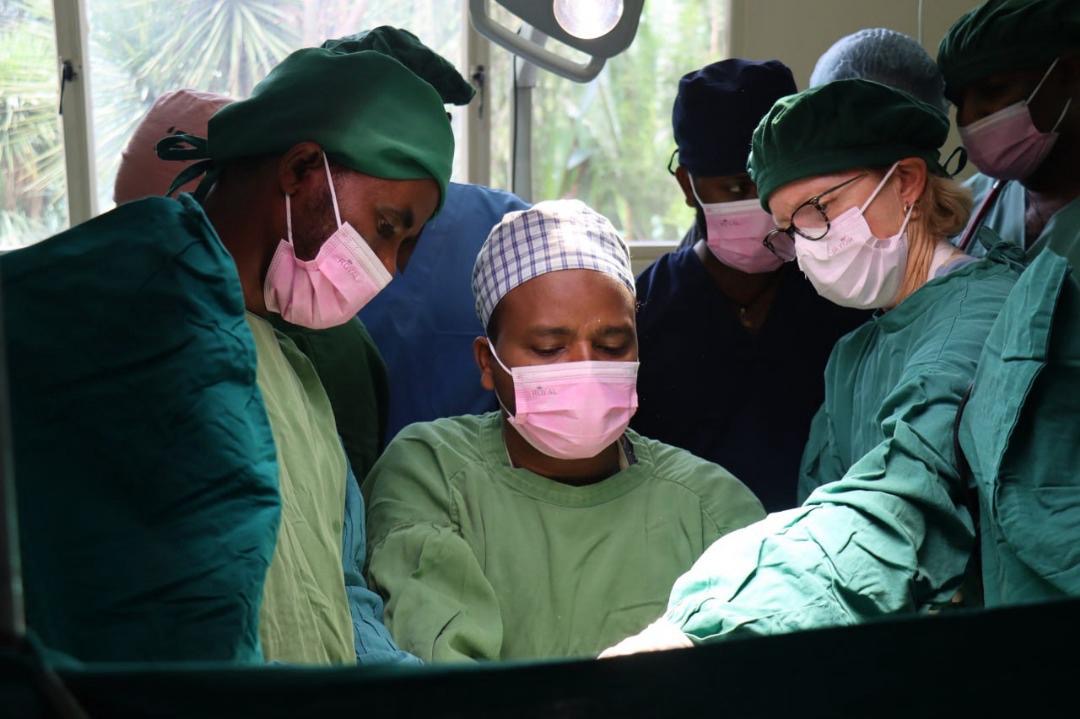
Training focused on building Ethiopian expertise in fistula and pelvic health care.
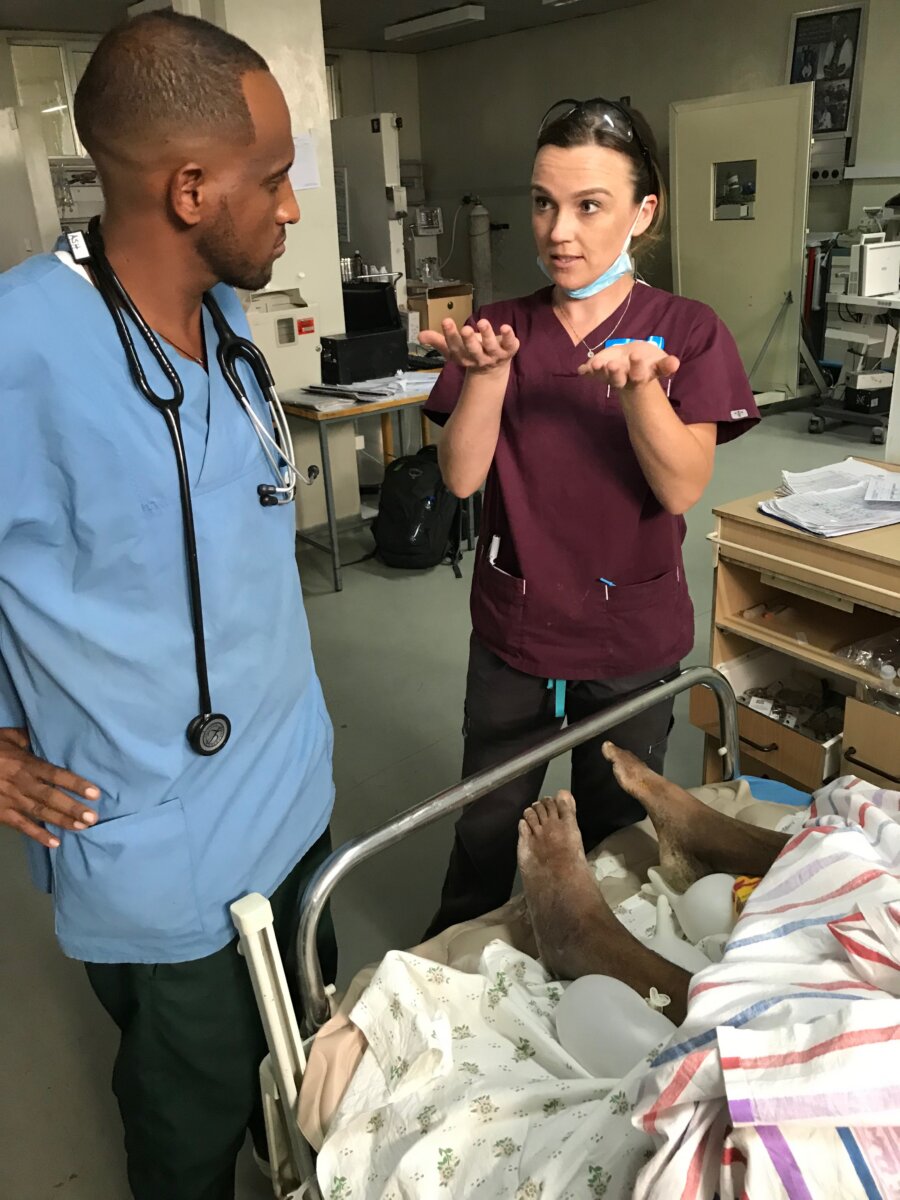
Graduates return to their own institutions equipped to treat patients, mentor colleagues, and strengthen care from within.
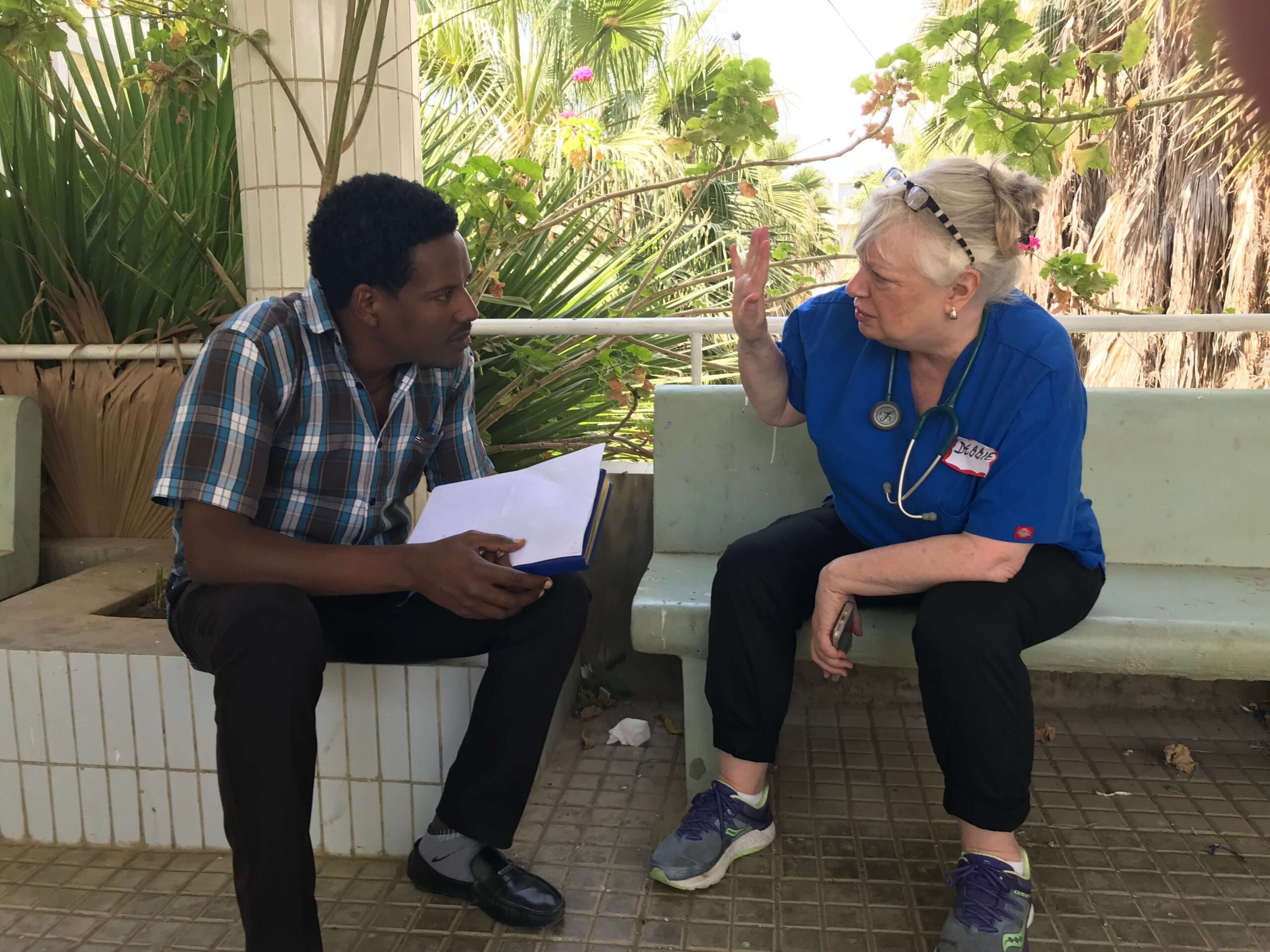
Building local expertise · Ethiopia
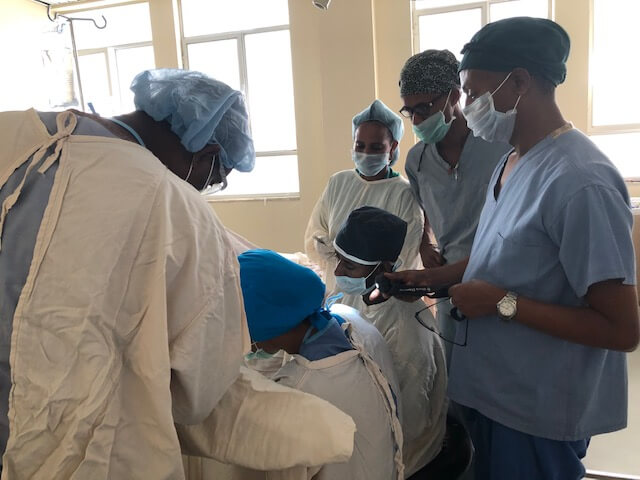
Urogynecology Fellowship · Ethiopia
Advanced training builds lasting expertise.
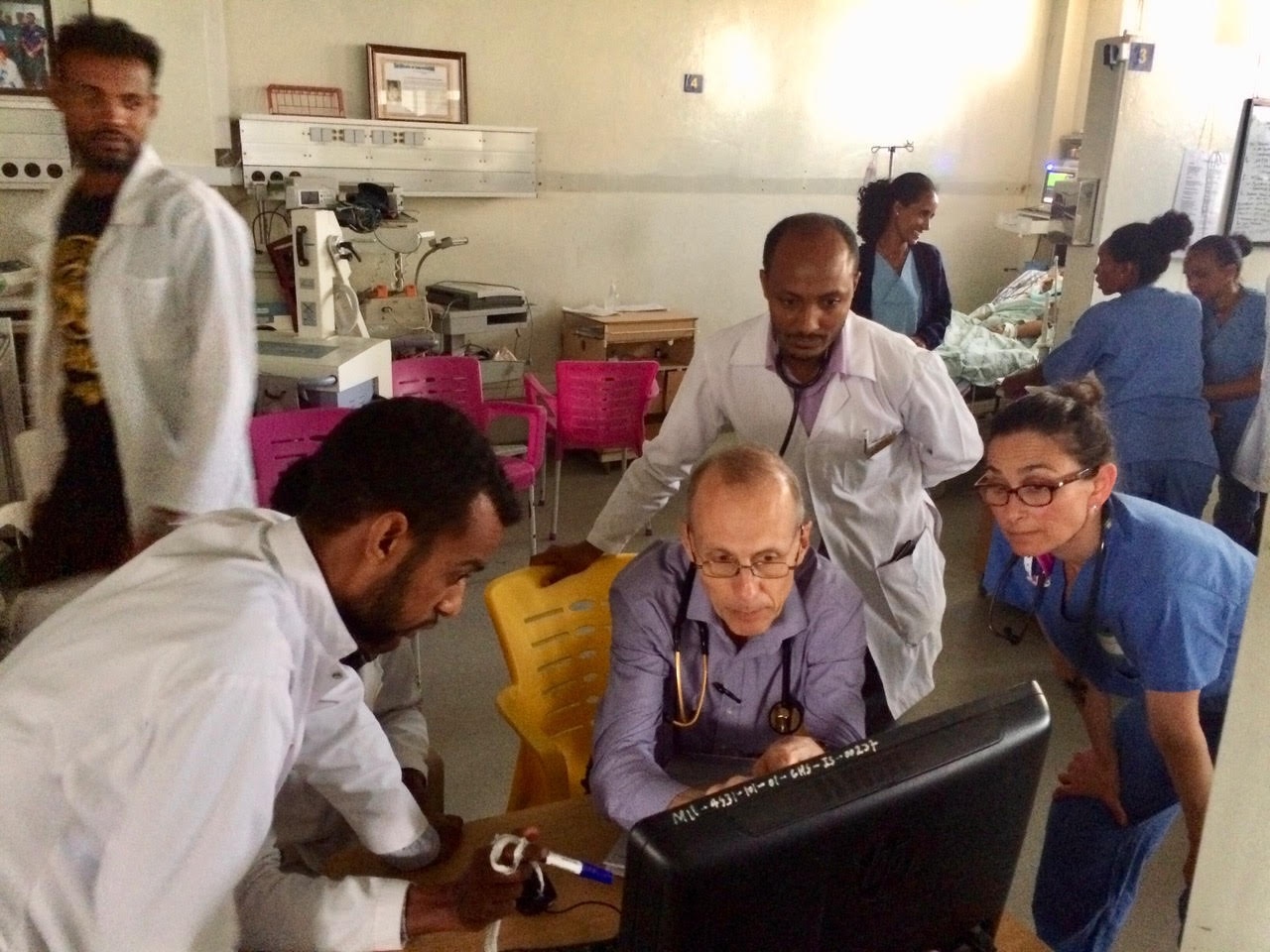
The fellowship developed specialists equipped to provide advanced pelvic health and fistula care.
Its train-the-trainers model multiplied that knowledge as graduates began teaching and mentoring others.
Recovery becomes part of the model.
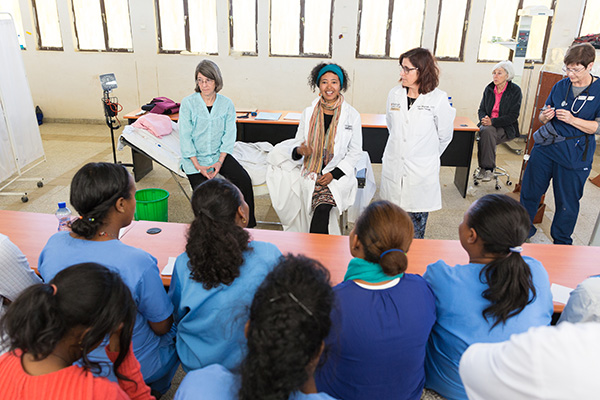
Care expanded beyond surgery to include physical therapy and rehabilitation.
Training local providers helped make recovery support part of a stronger continuum of care.
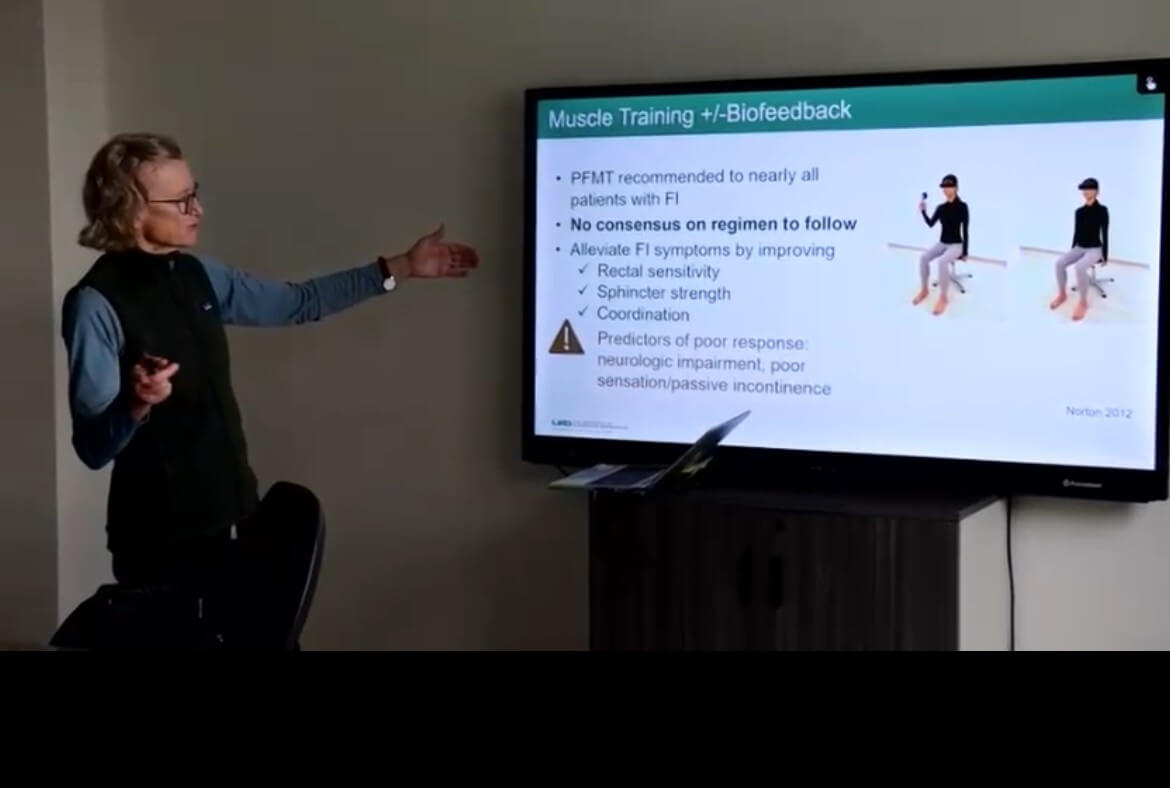
Rehabilitation training · Ethiopia
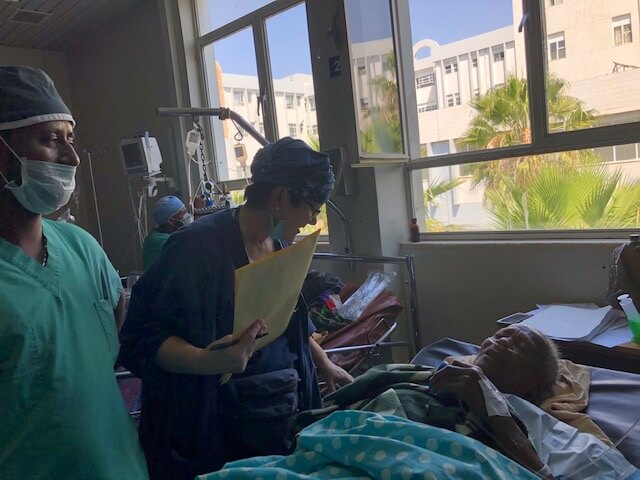
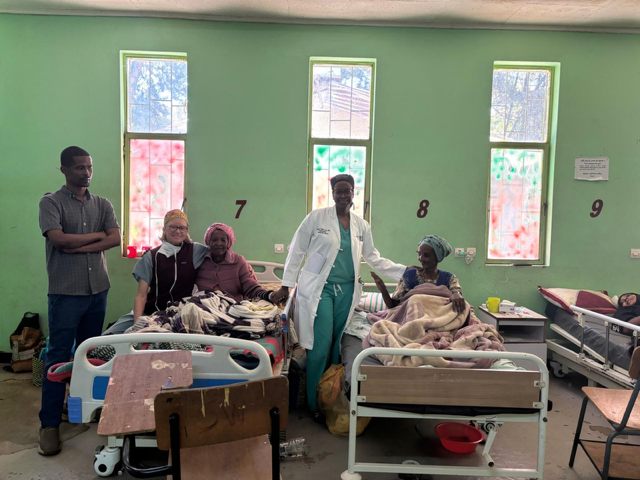
Continuing care through disruption · Ethiopia
Local expertise keeps care moving.
Conflict, displacement, and health system disruption created extraordinary challenges for patients and providers.
The value of locally rooted expertise became even clearer when outside access was limited.
A new generation of urogynecologists starts training.
The fellowship welcomed its newest cohort in 2025, continuing the pipeline of specialists serving women with complex pelvic health needs.
Ethiopian graduates are now helping train the specialists who will carry the work forward.
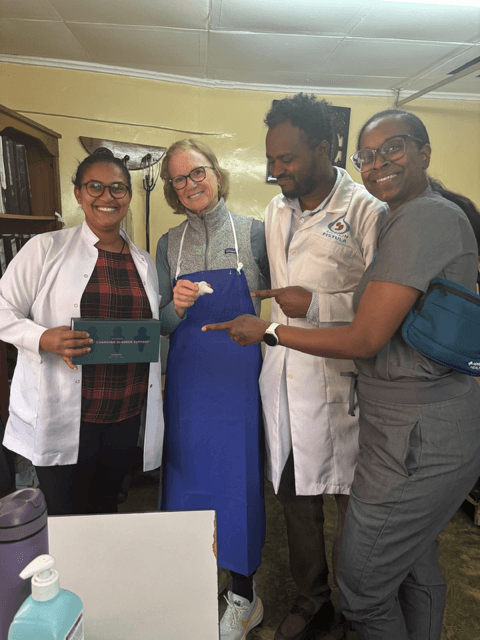
Training the next generation · Ethiopia
Local expertise creates lasting care. Ethiopian specialists are not only treating patients, they are preparing the next generation to lead.
Support Our MissionThe Ethiopia Model
Train a specialist. Grow a teacher.
Strengthen a system.
The people being trained today become the infrastructure of tomorrow.
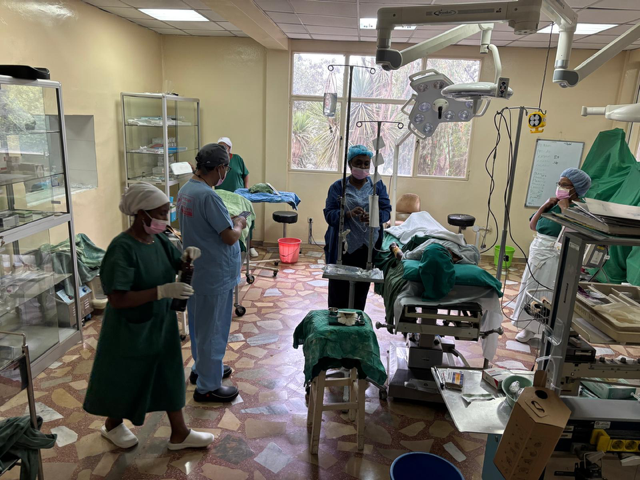
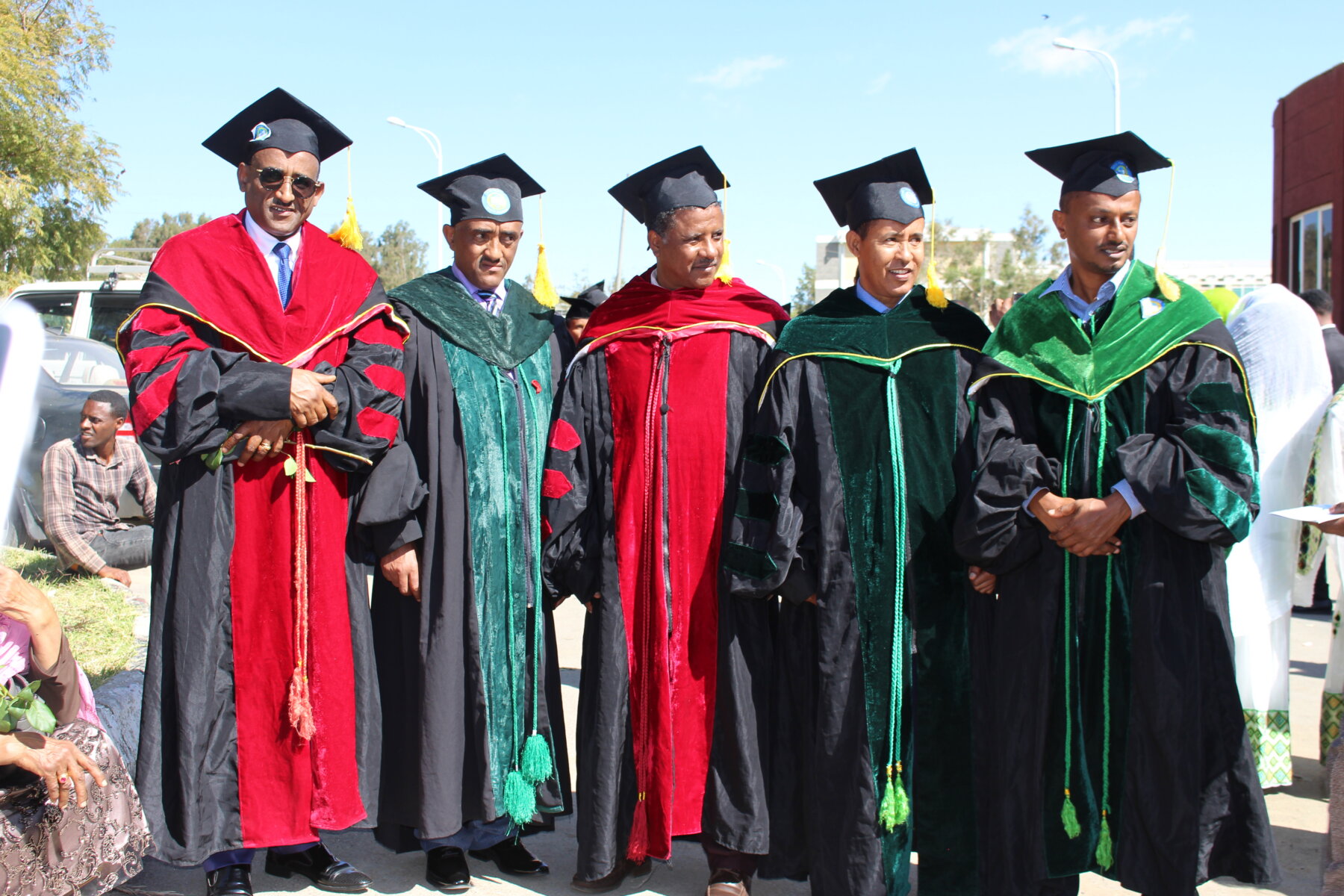
More than a training program
The people being trained today become the infrastructure of tomorrow.
A health system becomes stronger when expertise no longer has to be brought in from somewhere else. That’s what makes this work different.
A Fellowship graduate can treat women who previously had limited access to specialized pelvic health care. But that graduate can also teach residents, mentor colleagues, strengthen a department, and prepare the specialist who comes next.
Physical therapy graduates are now helping teach the programs that trained them. Fellowship graduates have returned to their own institutions with advanced surgical skills. Clinical leaders are building services that can continue long after the original investment ends.
The impact doesn’t stop with the person who was trained. It moves through every person they go on to teach.
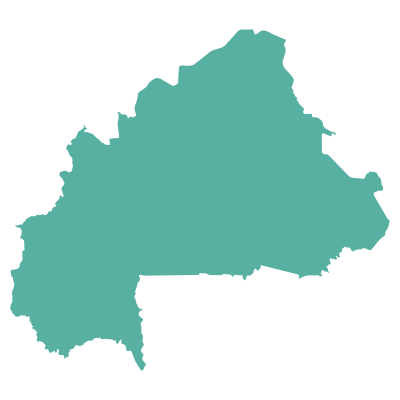
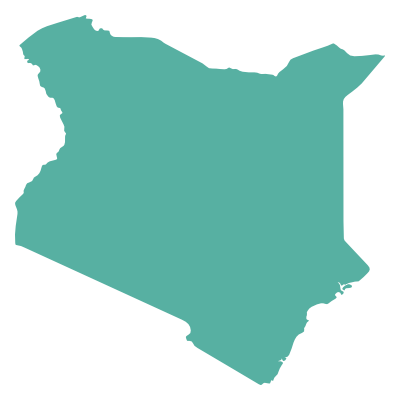
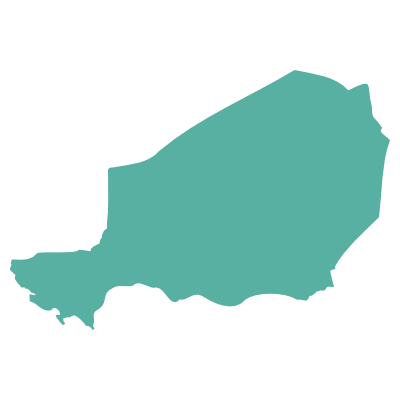
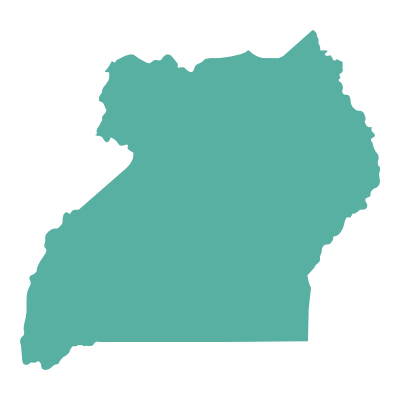
Five Countries · One Mission
The work continues across the map.
Meet the other locally led partners working to end fistula community by community.