Stronger Together

A new chapter in ending fistula.

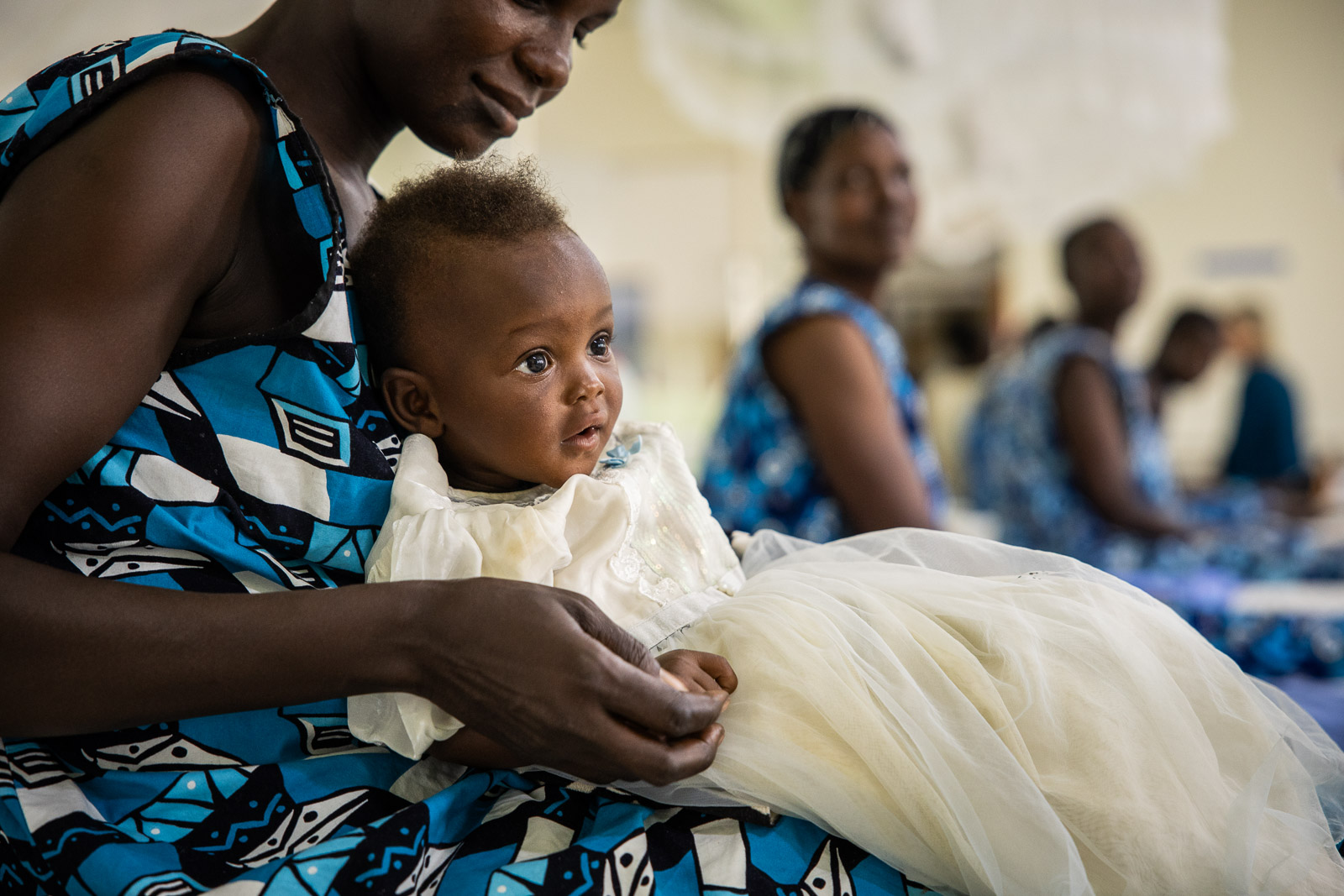
Somewhere right now, a woman is waiting. She survived a labor that lasted days. She likely lost her baby. She was left with an injury most of the world eliminated a century ago.

She does not need to be rescued. She needs what women everywhere deserve: high quality maternal health care.

Strengthening care for all women in Africa takes more than any one organization can do alone. That’s why Worldwide Fistula Fund and Terrewode Women’s Fund merged to become Maternal Dignity Project.
Worldwide
Fistula Fund

Since 1995
Terrewode
Women’s Fund

Since 2014
Together As

Two organizations.
One belief.

Fistula is preventable.
It is treatable.
It can be ended.
Obstetric fistula doesn’t happen in most of the world. Where it still does, it’s one of the clearest signs of a maternal health system failing women. Both of our organizations were built on the same belief: we can end fistula.

For years, Worldwide Fistula Fund and Terrewode Women’s Fund pursued that goal on parallel paths. Now we’re walking the same one.

Two Legacies

Different paths brought us to the same place.
1995

Worldwide Fistula Fund

As one of the longest standing organizations dedicated to ending obstetric fistula, Worldwide Fistula Fund brings decades of clinical and prevention expertise and established partnerships in five countries across sub-Saharan Africa. They have been a major funder of Terrewode for more than a decade.

Worldwide Fistula Fund also built the Danja Fistula Center in Niger, now considered one of the leading fistula hospitals in West Africa.

2014

Terrewode Women’s Fund

Terrewode Women’s Fund led the effort to build Terrewode Women’s Community Hospital, Uganda’s first and only hospital dedicated exclusively to treating fistula and related childbirth injuries.

Terrewode also elevates care beyond the hospital by training healthcare providers across the region through a community rooted model.

Stronger Together

One organization, greater collective strength

Joining together deepens our efforts and helps us sustain and dramatically expand it until we end fistula for good.
Leaf between hands icon

More resources to local partners

Direct more support to the locally led organizations doing the work.

Handshake icon

One community of supporters

Unite donors around a shared vision for ending fistula.

Partner network icon

An ecosystem of strategic alliances

Shared learning, collaboration, and collective visibility.

Long term roadmap icon

Greater long-term capacity

Help local partners become more resilient and sustainable.

Heart with leaves on top of a hand icon

Whole person care

Serve more women with support that treats the person, not only the injury.

Helping hand icon

A louder collective voice

Amplify our partners’ vision within the global fistula community.

Moving Forward

A new organization built on what already works.
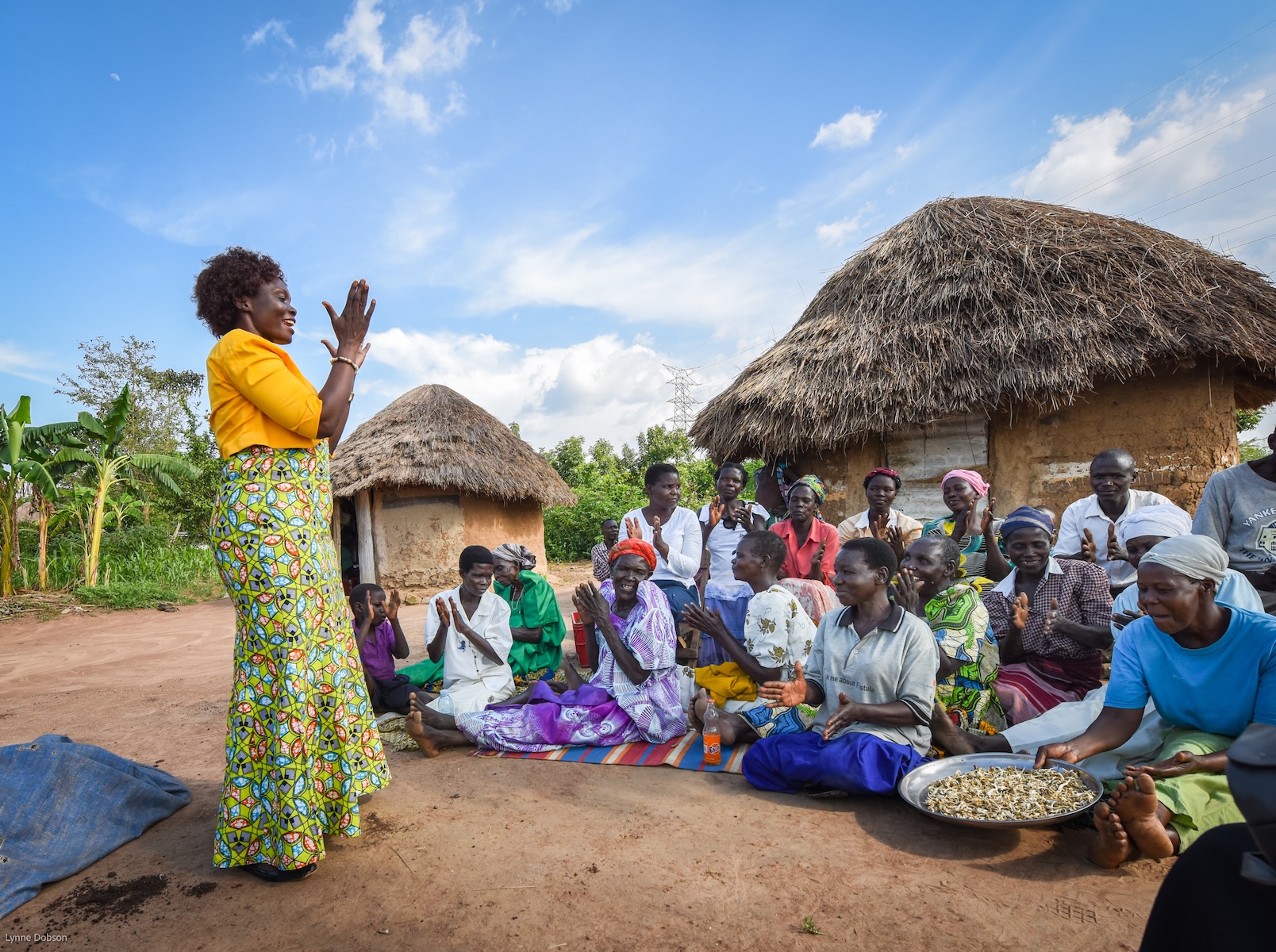
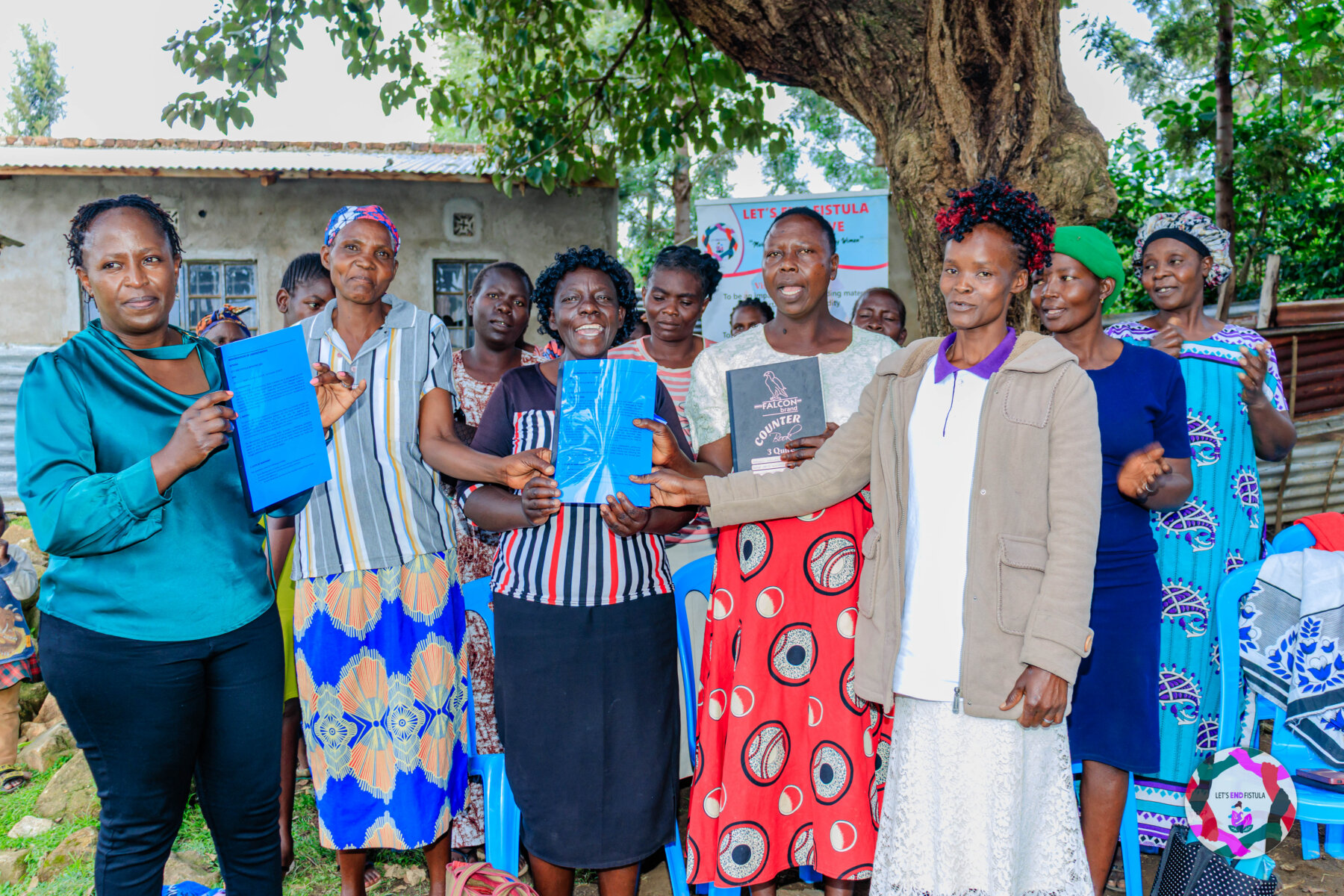
Alice with the women's empowerment group of fistula survivors that are growing mushrooms. They formed a coop to grow and sell and share the profits. Siroti.

AFRICAN-LED Partners

Local leadership is foundational

We back local visionaries with deep roots in the communities they serve.

We support and fund their work, bring it to a global audience, and connect them to each other, so that one organization’s breakthrough improves care everywhere.

Tried & True Model of Care

Care for the whole woman.

The time tested model our partners follow remains the same: holistic care that is serious about prevention.

Holistic care includes what women need to heal and rebuild their lives: surgery, physical therapy, a ride to the hospital and home again, community with fistula survivors who’ve been through it, and reintegration support.

Leadership

Carrying both legacies forward.

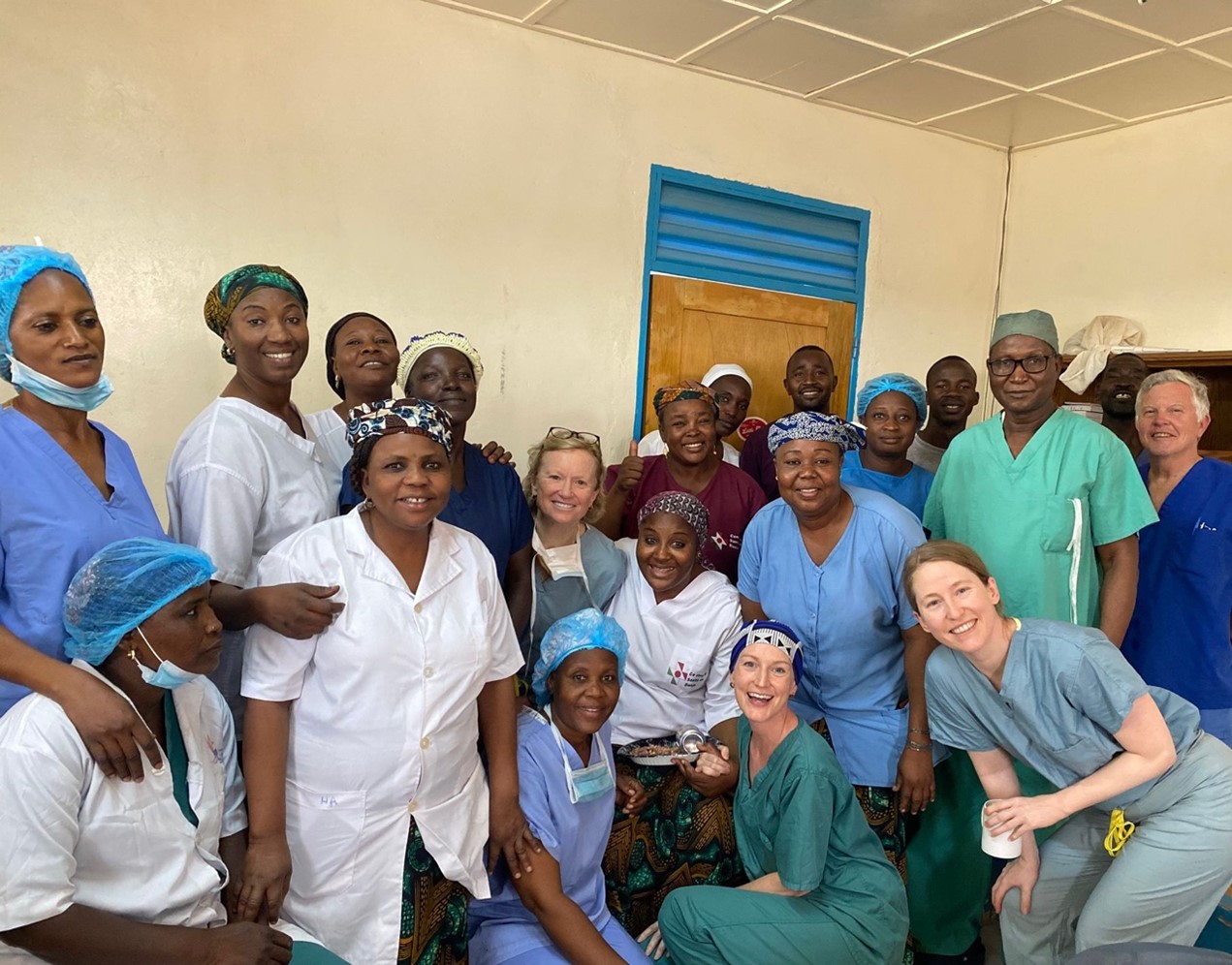
The merger brings together leadership, experience, and relationships built across both organizations.
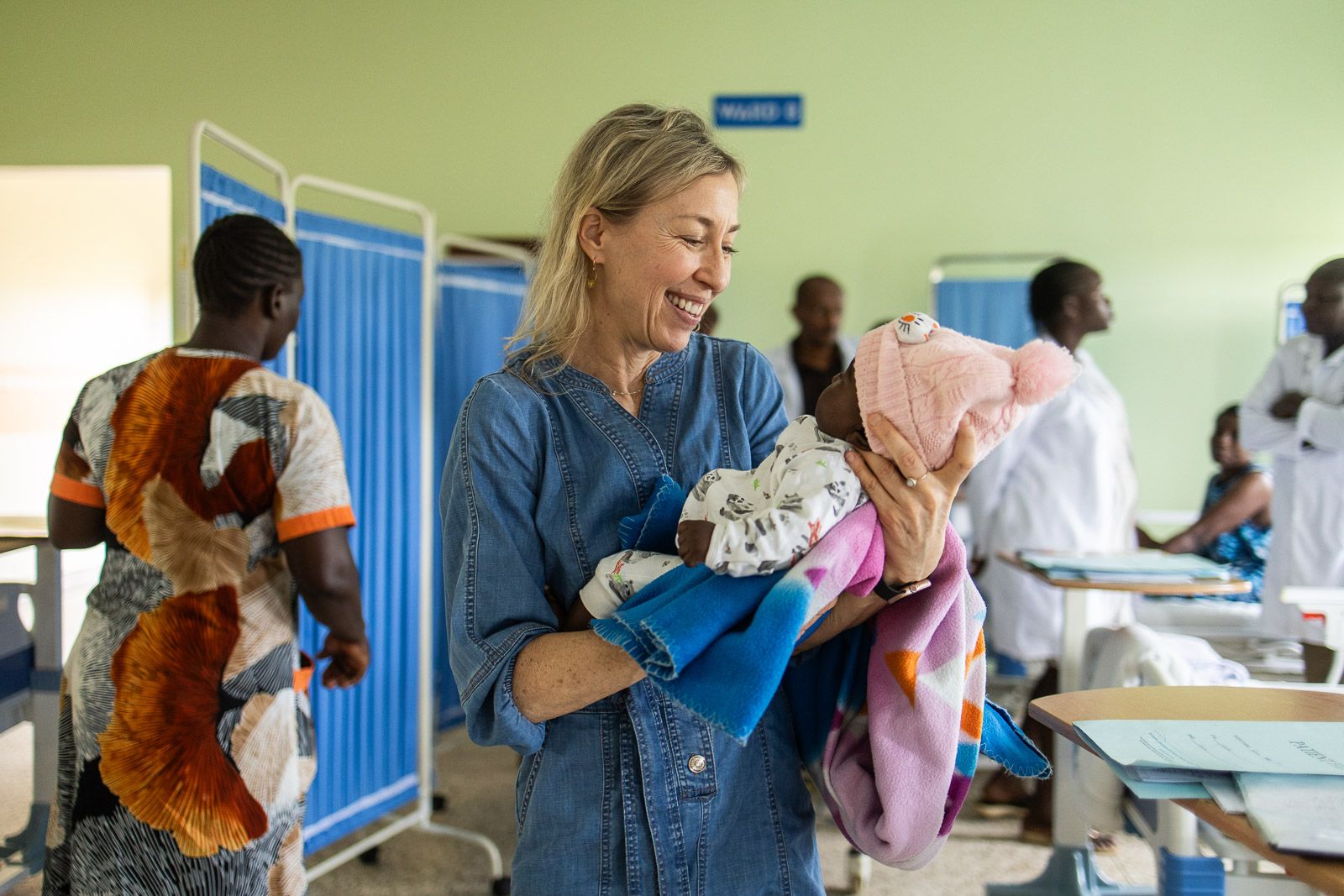
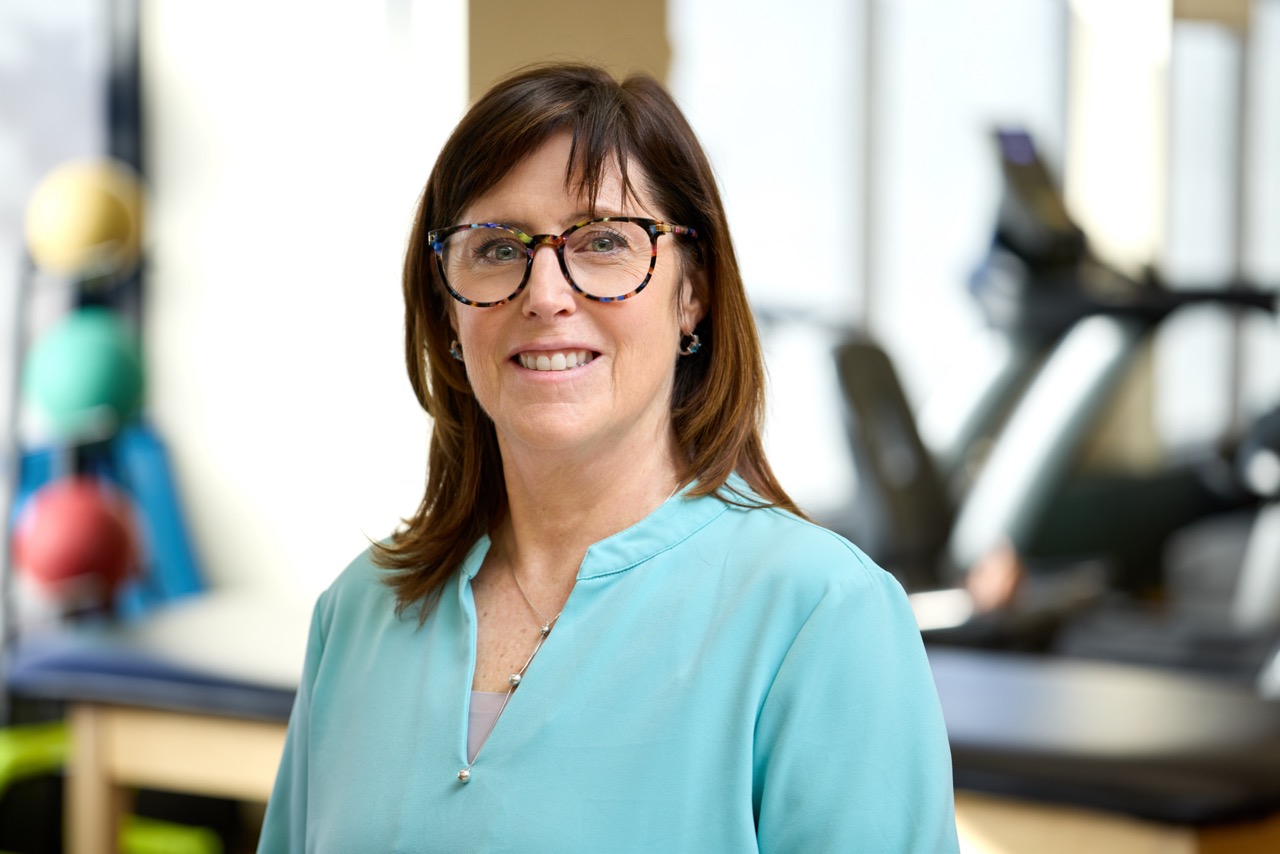
Bonnie Ruder

PhD, MPH · Executive Director

Tracy Spitznagle

Tracy Spitznagle

PT, DPT, MHS, WCS · Board Chair

One unified board

Bringing the stewardship and trust of both organizations into one shared structure.

Why Now

This is not the moment to pull back.

The global effort to end fistula has reached a critical point. The global goal of ending fistula by 2030 is off track.

Women are still living with preventable childbirth injuries, health systems still have gaps, and funding for this work is becoming more difficult to secure. The answer cannot be to do less or expect less for mothers in Africa.

It must be to work smarter, strengthen local leadership, invest for the long term, and bring more people together around what we already know is possible. When the world pulls back, we lean in. Together, we intend to finish the work.