Introducing Maternal Dignity Project
How we got here and where we’re going
By Bonnie Ruder, Executive Director
I once interviewed a woman named Aname in Uganda. She was about 60 years old and had lived with obstetric fistula for nearly four decades. She rarely left her family’s compound. Isolation like this is common for women living with fistula..
Obstetric fistula happens when a woman needs an emergency C-section and can’t get one in time. After days of obstructed labor, the baby usually dies, and she’s left with an injury that leaves her leaking urine, feces, or both—constantly.
After sitting through a community training about this devastating injury, Aname’s brother came home and told her he thought she had a fistula. She was treated not long after, and after nearly forty years of staying close to home, she ventured back into her community—feeling whole again. Nothing about her case was medically complicated. She had simply never met anyone who recognized what was wrong.
No woman should live even one day with an injury that a single surgery can repair. The reason so many do is that the organizations closest to them are chronically underfunded,working largely on their own. That is what we are trying to change, and today we are in a better position to do it.
Worldwide Fistula Fund and Terrewode Women’s Fund are now one organization: Maternal Dignity Project.
Why we merged
For more than a decade, our two organizations funded some of the same work, holding the same philosophy about how this work should happen. We believed in backing the African leaders working in their communities and giving them the support to set the priorities they know matter most. Both of our organizations were doing that long before anyone called it “locally led.”
At some point the question became clear to us. We’re roughly the same size, in the same field, with the same convictions. Could we do more for our partners together than apart?
The answer was yes, and the rest was mostly logistics. We went through a naming process—more on that below—and redesigned our brand identity to capture the weight of the expanded work we would be doing together, in partnership with donors who believe in this mission as much as we do.
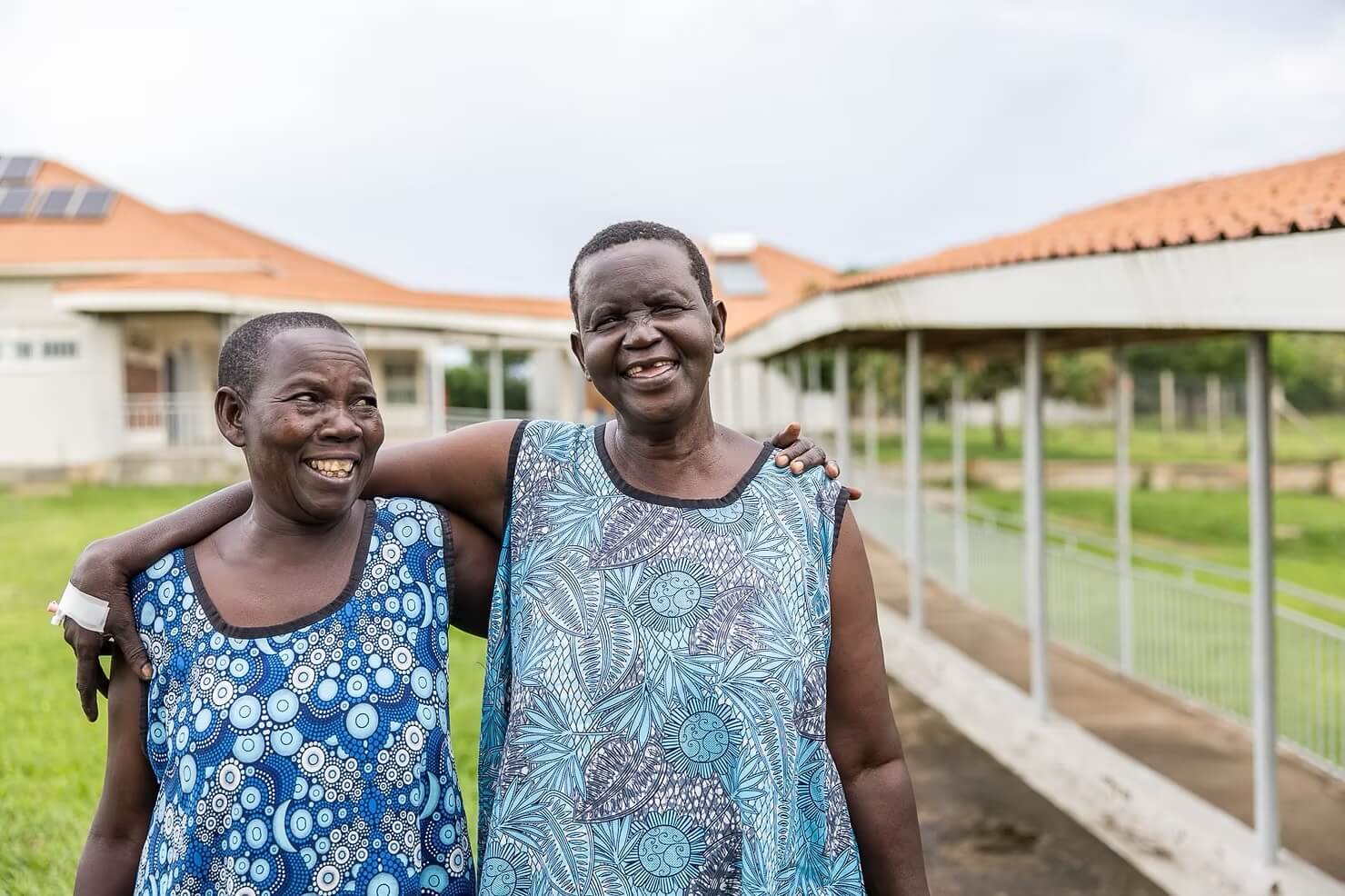
Our partners are among the best in the world at what they do. Dr. Itengré Ouedraogo in Burkina Faso is one of the most skilled fistula surgeons working today. In Uganda, TERREWODE developed a reintegration program that has set a global standard for supporting women as they restart their lives. Kenya’s Let’s End Fistula Initiative leads outreach and education about safe motherhood and preventing fistula.
Until now, each has largely worked alone. Bringing them into one network will allow them to learn from each other, and it lets us carry what they know to the wider fistula community.
Why this name
We considered many names before landing on Maternal Dignity Project. Dignity is the intrinsic value and basic human right every person carries simply by being alive. Dignity gives every human being the right to be treated ethically.
In this work, dignity has a concrete meaning. It means that when a woman is suffering because of something that happened to her body, she is told what went wrong. It means that no one operates on her without explaining what they are doing, and that the care she receives does not depend on anything other than her needing to be cared for. We have met women who know nothing about fistula because no one ever explained it to them.
Dignity has a second meaning that is harder to measure. Many women living with fistula carry a deep sense of shame. The stigma of the injury can make a woman feel she has lost the very thing that is inherent to her. Part of what our partners do is walk with her through every phase of the journey back to herself, with counseling, connections to other women who have been there, and steady support as they reintegrate with their families and communities.
About the logo
At first glance, it’s Africa, home to every one of our partners. Look again and you’ll see her. The line running through the continent is the profile of an expectant mother. You’ll see her face, her chin, the curve of her belly. The continent gives her shape. She isn’t set apart from the place that holds her; she belongs to it.
What we’re building next
Treatment alone will not end fistula.
For years, the thinking was that if women could just reach a health facility, the problem would solve itself. But reaching a facility isn’t enough when the care waiting there is not adequate.
As more women give birth in facilities, the causes are shifting, with fewer injuries from days of obstructed labor at home and more from poorly performed C-sections by providers lacking training or resources to do them safely.
This is why we are doubling down our focus on prevention, alongside partners who are already researching this shift in their own hospitals. Ultimately, we will end fistula by making sure women have the high-quality care they need to deliver babies safely.
What you can do
Follow us on LinkedIn, [Facebook], and [Instagram].
And if you’ve supported either organization—this one is yours too. We’re glad you are here with us. We’re just getting started.