She Survived Fistula. Then She Built a Path for Others.
Sarah knows what it means to wait for care.
Sarah Omega lost both of her parents when she was 11 years old.
At 19, she was raped and became pregnant.
Her pregnancy progressed normally until it was time to give birth. Without money for maternity fees and without a support system to help her, Sarah attempted to deliver alone at home.
After nearly 18 hours of labor, a good Samaritan found her and helped get her to the nearest health facility.
By then, her baby had died.
Sarah was referred to another facility for a cesarean birth.
When she woke the following morning, she realized she was leaking urine.
She had developed obstetric fistula.
She left the hospital without treatment.
The injury would shape the next 12 years of her life.
Sarah remained hospitalized for two months, but her fistula was not treated.
When she was eventually discharged, the leaking continued.
So did the pain and isolation.
Sarah became increasingly separated from her community and spent years living with an injury she did not know could be repaired.
Over time, the emotional toll became severe.
After 12 years living with fistula, Sarah had withdrawn deeply from the life around her. It was during an admission to a psychiatric ward that she finally learned something that should have been made clear years earlier:
Her fistula could be treated.
Twelve years of waiting ended with surgery.
Sarah finally received the care she needed.
Sarah underwent fistula repair surgery.
It was successful.
After more than a decade of living with continuous leakage, physical pain, and social isolation, she was healed.
But Sarah did not want her recovery to end with her own treatment.
She knew there were other women living with fistula.
Women who did not know what had happened to their bodies.
Women who did not know treatment existed.
Women who might be suffering quietly for years, just as she had.
Sarah decided to find them.
One survivor became a founder.
Sarah turned her experience into Let’s End Fistula Initiative.
After recovering, Sarah founded the Let’s End Fistula Initiative, or LEFI, in Kenya.
The organization grew from her lived experience and a simple conviction: women with fistula should not have to spend years searching for answers and treatment.
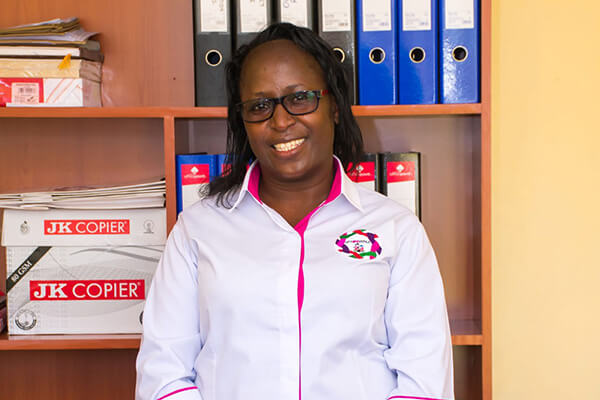
Today, Sarah serves as LEFI’s founder and Executive Director.
Under her leadership, LEFI connects women with fistula treatment while supporting survivors as they rebuild socially and economically after care.
The organization also works upstream, educating communities about Safe Motherhood and helping prevent future childbirth injuries.
Survivors became part of the solution.
Sarah’s vision did not position women with fistula only as patients.
She understood that women who had experienced the injury possessed knowledge their communities needed.
Through LEFI, survivors have become advocates, educators, entrepreneurs, and leaders.
They support other women.
They raise awareness.
They teach communities about safe motherhood.
And they help girls understand the risks and circumstances that can contribute to early pregnancy and dangerous childbirth.
Sarah’s own experience became the foundation for a model in which healing can keep moving outward.
From one woman’s recovery to a movement.
Sarah spent 12 years living with a treatable injury before someone finally told her that healing was possible.
Today, the organization she founded is helping make sure other women do not have to wait that long.
Her story is not only about surviving obstetric fistula.
It is about what happened after.
Sarah took an experience that had isolated her and turned it into connection.
She took years of silence and turned them into advocacy.
And she took the treatment that changed her own life and built an organization dedicated to helping other women find the same opportunity to heal.
Help Local Leaders Reach the Women Still Waiting
Sarah knows what it means to live for years without knowing treatment exists.
Today, LEFI helps women find care sooner while supporting survivors as advocates, leaders, and educators in their own communities.
Your support helps locally led organizations turn lived experience into lasting change.